Asia
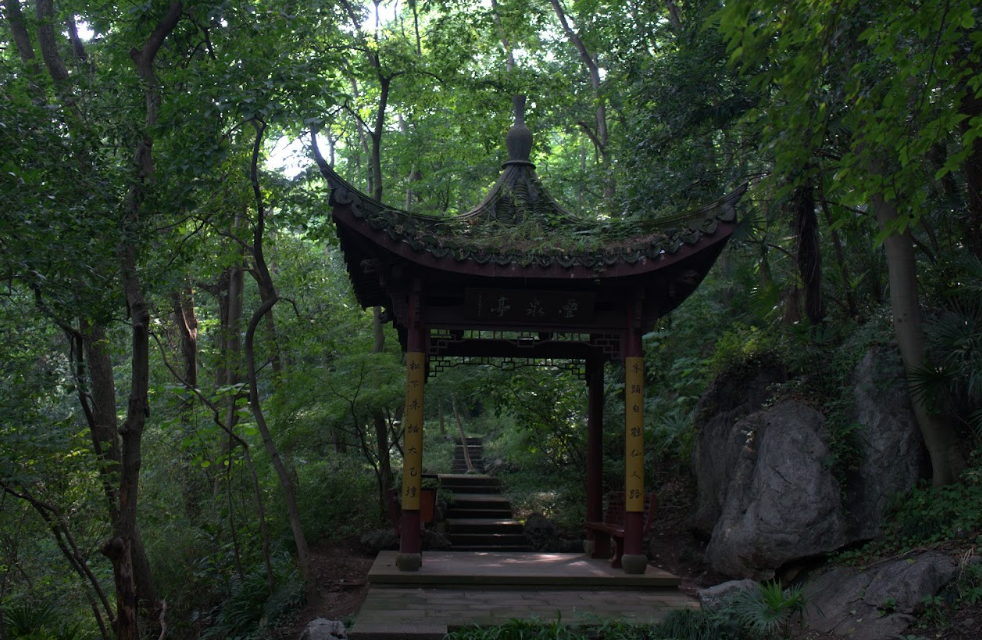
China, photographed by Isaac Ohringer
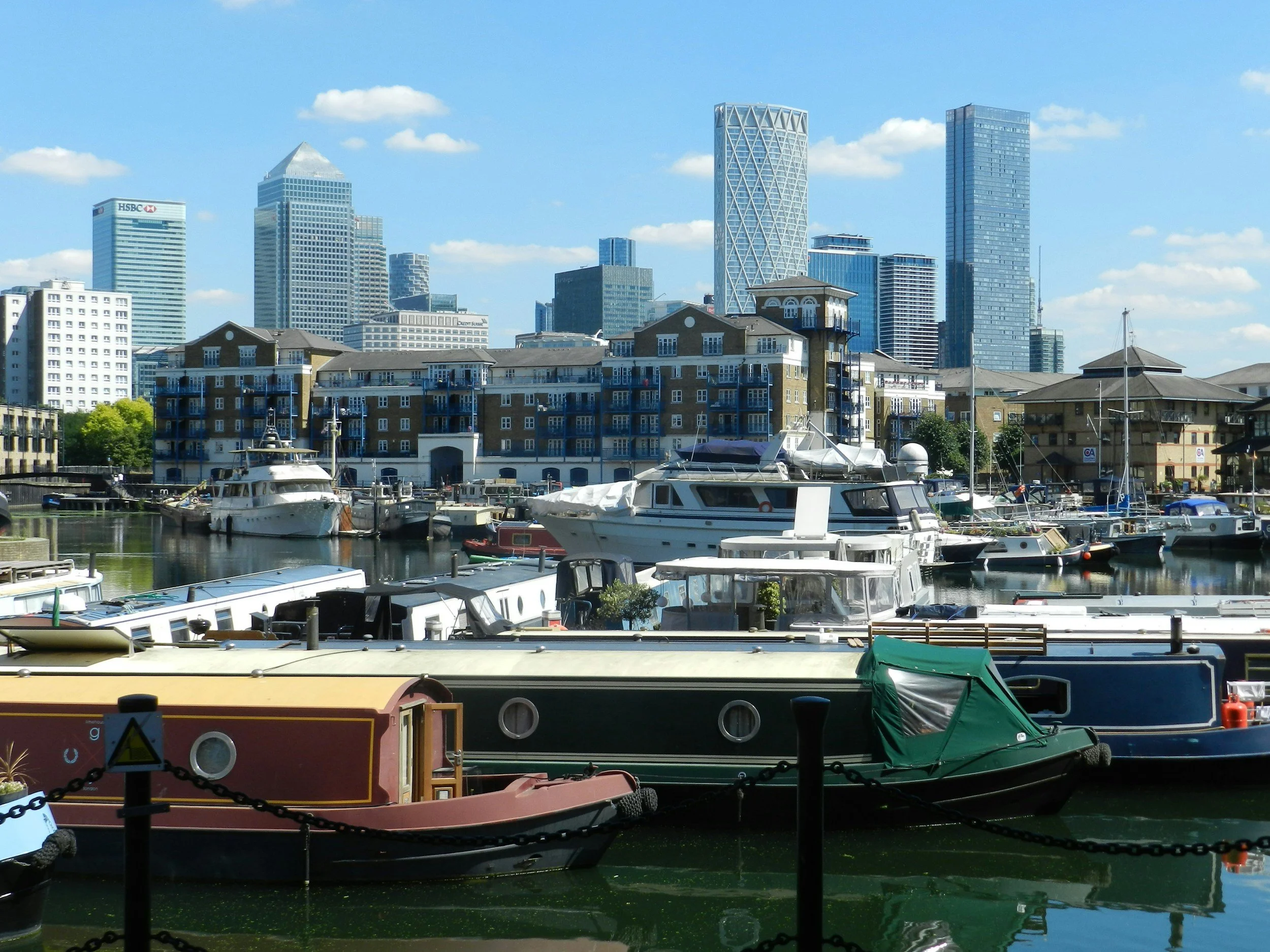
Limehouse: London’s First Chinatown
This article discusses the often overlooked history of Limehouse, London’s original Chinatown, and reflections on what Chinatowns in the United Kingdom represent as a part of British identity.
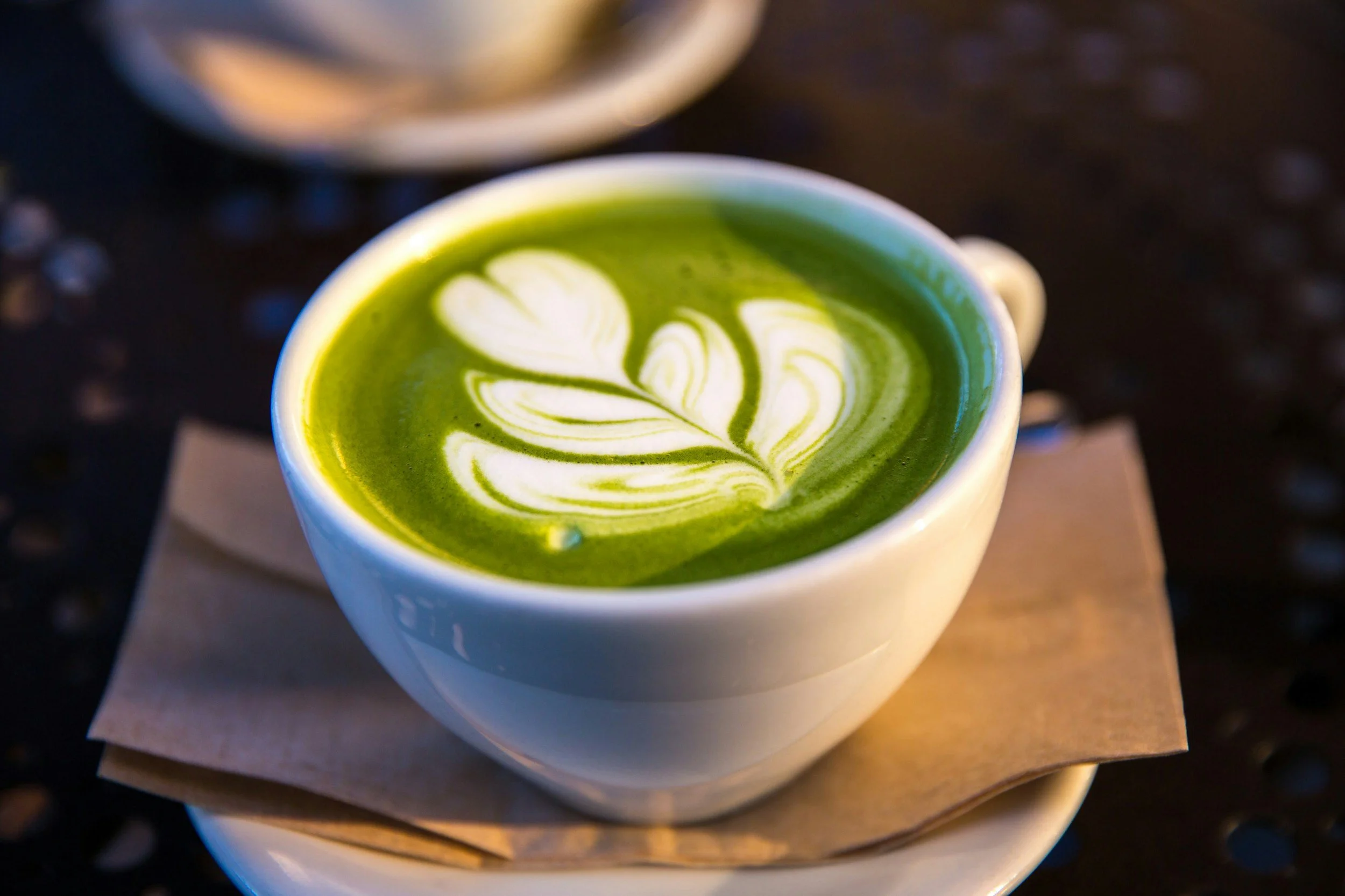
Matcha and the Hierarchy of East Asian Cultures in the UK
Rosa explores Matcha, a type of powdered green tea, as a product marketed to the West as entirely Japanese, despite its Chinese origins, and what underlying societal beliefs may be informing our perception of the beverage.
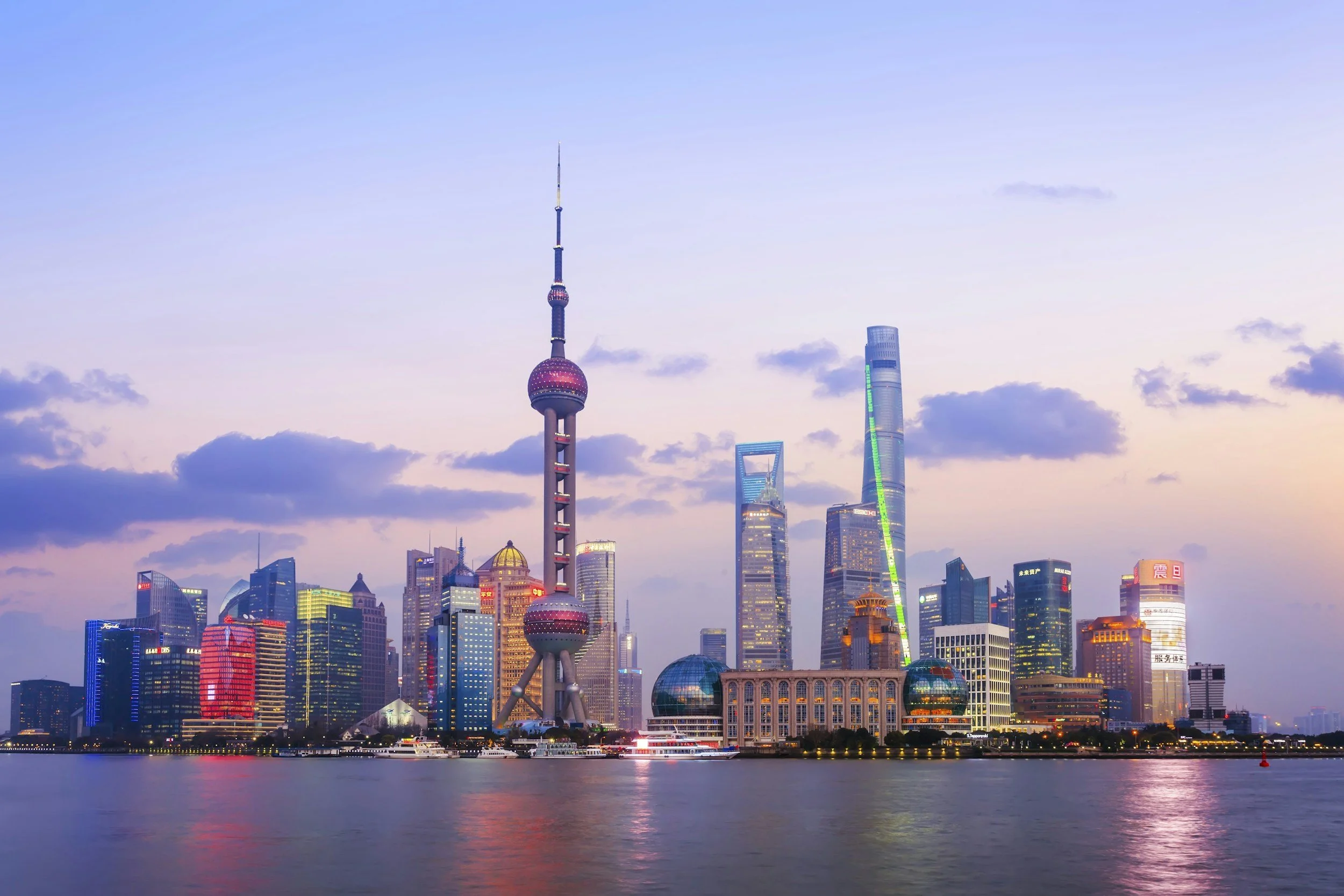
The International City of Shanghai: a ‘Semi-Colonial’ History
As the editor of the Asia Section, I chose, as a historian, to explore the story of the International Settlement in Shanghai, a littoral space of colonial hierarchies and inequality, yet of cooperation and growth.

Digestible Jewellery
Sanna Ali explores her relationship with her Pakistani heritage, and what she learnt about her identity through incorporating Pakistani jewellery into her style.
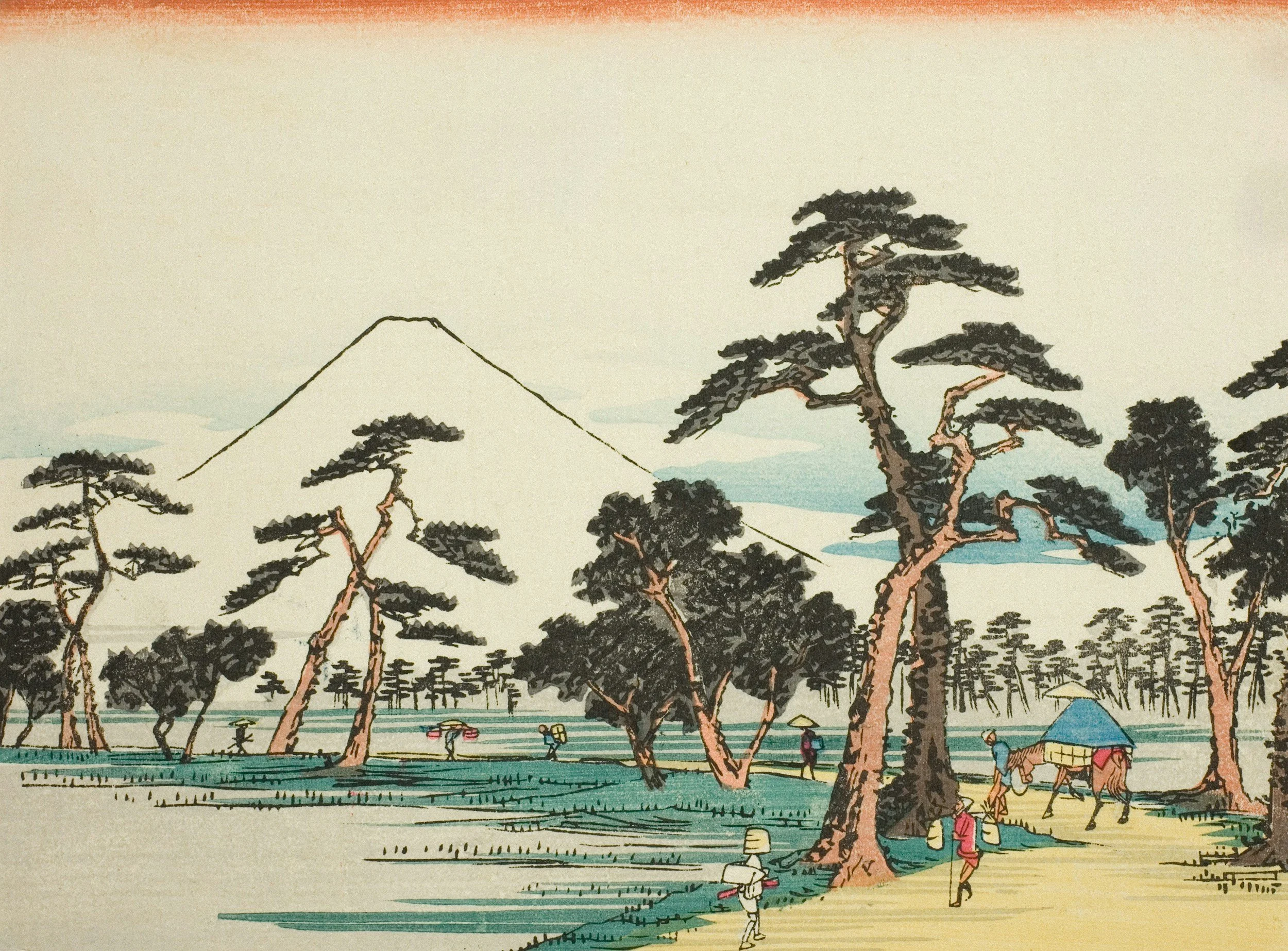
The Yoshiwara Red-Light District: Spotlighting Sex Workers in Japan’s ‘Nightless City’
Fatiah Suleiman explores the three hundred year history of the Yoshiwara Red-Light District, in modern day Tokyo. In her own words, ‘Writing is a conduit, through which we can put a spotlight on what the Yoshiwara Red-Light district was, and hopefully, tell the stories of the thousands of women who were never passed a pen.’
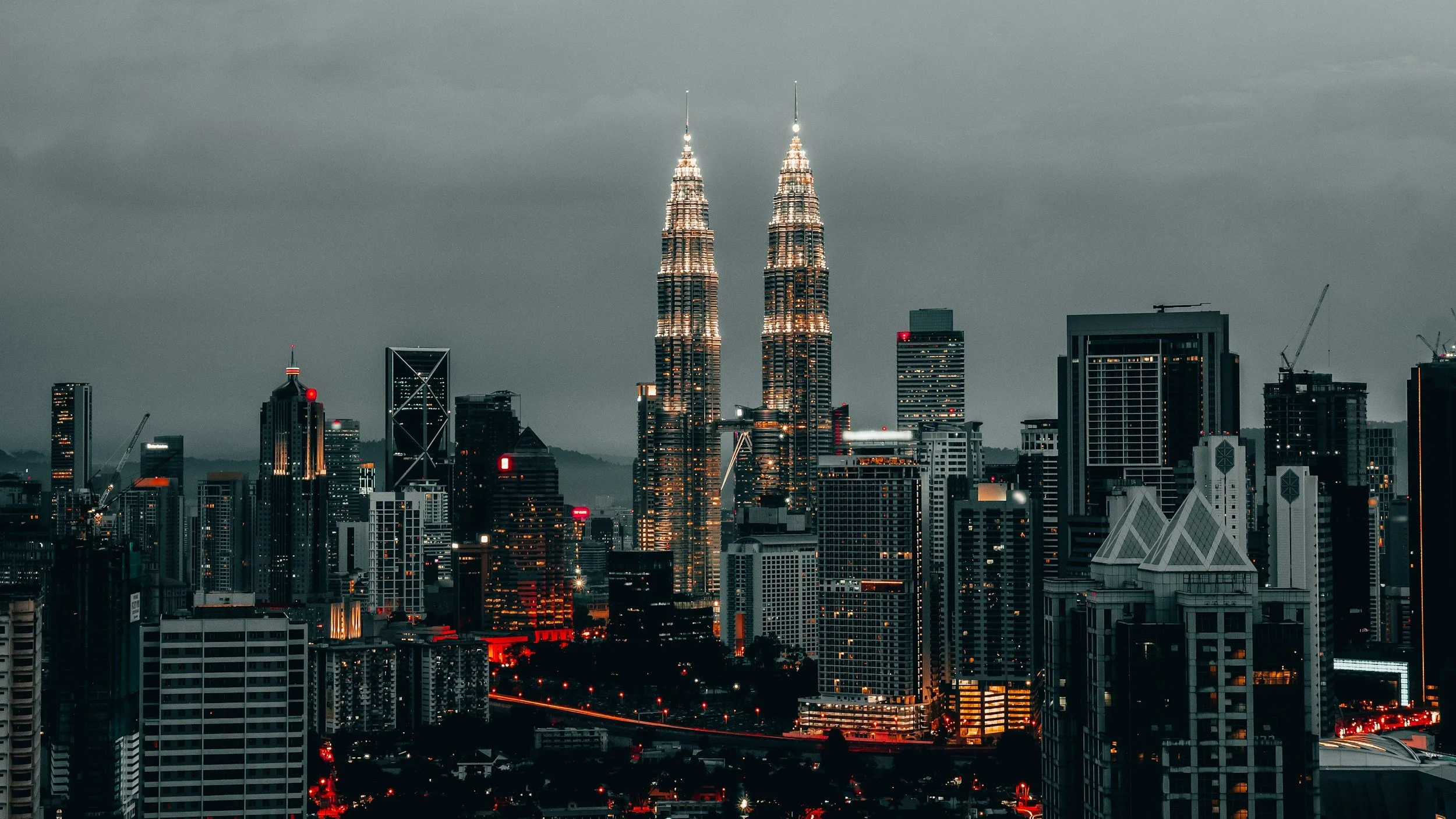
Mamaks - how the humble open-air food stalls act as a microcosm of Malaysia’s multiculturalism
Mamak stalls represent more than the multicultural nature of Malaysian cuisine but serve as a metaphor for the nation’s multicultural heritage and history, as explained by Zerlynde Goik through a sensitive and deeply personal account of what the open-air food stalls mean to her.
Fula-Fula I - Minchí
In the first instalment of his column exploring the impact of Portuguese colonialism through food, William Anderton-Pithers examines the history behind minchí, a staple dish in Macau.
On Coming Out to my Hong Kong Mother: A Letter
In a heartfelt, personal epistolary piece, staff writer Solomon Tsai reflects on his experience of coming out to his mother and on being gay in Hong Kong.
A Growing Resentment Of My Own People Manifests Inside Of Me
In the intricate dance of Western politics, Naina Sidhu reflects on the rise of Indian representation and its promises, despite leaders’ disheartening and paradoxical positionalities. This article looks to dissect a disconnect that has at times synonymizes some of the Indian political diaspora with bigotry and threatens the pursuit of racial equality.
Uncovering Inyeon in Celine Song’s “Past Lives”
In her review of Past Lives, Jasmine Eden Gray reflects on the concept of ‘inyeon’ as explored within the film, taking a closer look at the choices behind Celine Song’s directorial debut.
Saint, sinner, slander, silence
Norpell Wilberforce challenges the biased misunderstanding in international media concerning the recent Dalai Lama affair and provides an alternative, Tibetan interpretation of the events.
Decision to Leave: A Hypnotic Romantic Thriller Amongst the Best of 2022
One of the top rated films of last year, Decision to Leave captured the hearts and minds of viewers from around the world. In this article, Asma Ibrahim analyses the significance of the recurring backdrops of the mountain and the sea, as well as exploring how Tang-wei’s foreignness is artfully interwoven into the film’s plot.
The mystical punk fashion of Vivienne Westwood and NANA's homage to its style
In this article, Anja Gogo and Bethan Beddow examine the influence and significance of Vivienne Westwood’s iconic style in the manga ‘Nana’, reflecting on the relationship between the two protagonists through the medium of fashion.
A Gyopo Reads East III - ‘At Least We Can Apologize’ (II)
In this thoughtful piece of analysis, columnist Injae Lee builds on the first instalment of this two-part article to further delve into the themes of guilt and responsibility central to ‘At Least We Can Apologize’, and in doing so, reflects on their place within the heart of Korean society.
A Gyopo Reads East II - Lee Ki-ho’s ‘At Least We Can Apologize’ and its Depiction of Korea as a ‘Hell Joseon’ (I)
In the first instalment of this two-part reflection on Lee Ki-Ho’s novel ‘At Least We Can Apologise’, columnist Injae Lee muses over the intricacies of translation and examines the work’s satirical critique of contemporary Korean society, invoking the concept of a ‘Hell Joson.’
The Enduring Bitterness of Peppermint Candy (II): The Minefield of South-Korea’s Gender Wars
In the second instalment of her reflections on Peppermint Candy, Hannah Kang Wolter considers how we might apply the lessons of Lee Chang Dong’s film to the fraught landscape of South Korea’s gender politics.
The Symbolic Multilayers of Japanese Obento
Reflecting on the treatment of food and obento in the films of Studio Ghibli, Anja Gogo explores the significance the Japanese packed lunch in a wider social context, delving beyond its surface function as a vehicle of nutrition.
The Beginner’s Guide to City Pop: A Timely!! Genre
In this article, Romano Tucci looks at the birth and rise in popularity of city pop, a genre and audio-aesthetic that grew out of 1970s Japan, and shares with readers a few unmissable tracks to add to any city pop playlist.