Schools' Essay Competition
⋆
Schools' Essay Competition ⋆
Rebecca Turner gives an insight into President Javier Milei’s landslide victory in the Argentine midterm elections and how the news has been received by right-wing figures around the world.
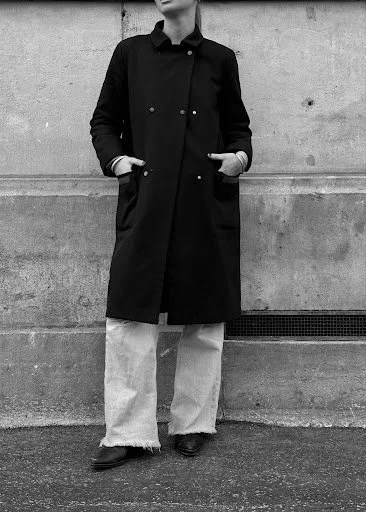
Molly Middlebrook curates her Paris Fall/Winter fashion report as she investigates the world famous ‘parisian style’ and provides her top styling takeaways from her time in this iconic city.
Stop number three in Asher Porter’s solo travels takes him to Córdoba, where he discovers a picturesque city steeped in history, encounters eerie atmospheres at his hostel, and whose spur-of-the-moment visit to the royal stables turns him into a V.I.P. for the evening.
In the much awaited second installment of his Andalusian adventure, Asher Porter takes us through the fairytale city of Granada and introduces us to some new characters.
Lucy Thomas (Year Abroad Co-Editor) writes about the importance of making mistakes in your target language.
Expanding the vision of cultures, art and languages in Cambridge and beyond.
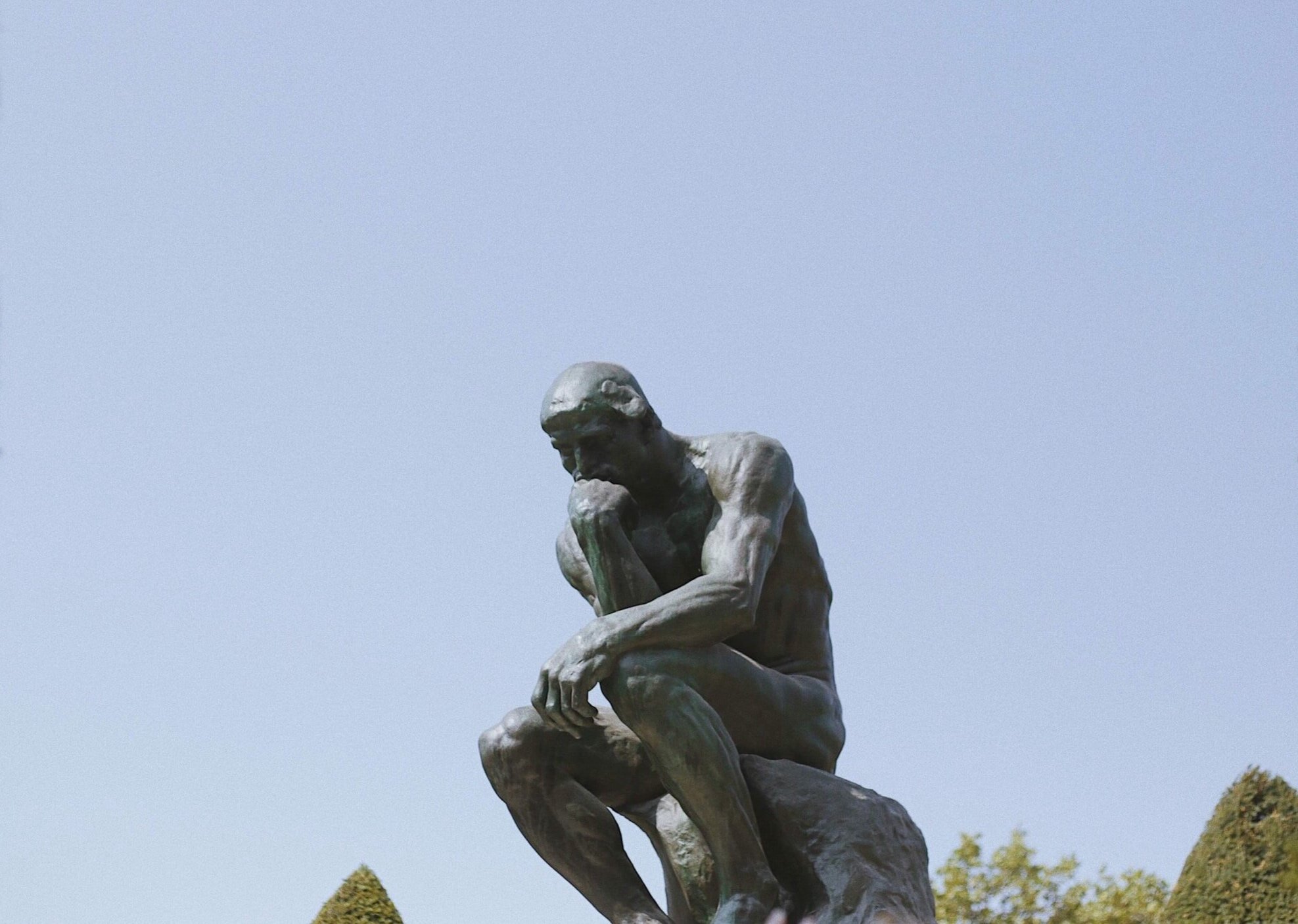
Le Penseur Auguste Rodin
After travelling in Mallorca, Emilia Raymond-Martin reflects on the economic, political and social implications of monolingual versus multilingual signs and advertisements, and examines how linguistic diversity and local language promotion can go hand-in-hand.
Highlighting the important role of couture in the history of film, Millie Gordon launches an impassioned defence of Mrs Harris Goes to Paris (Anthony Fabian, 2022), arguing that the film is anything but superficial.
Focusing on the Spanish enclaves of Ceuta and Melilla, Charlotte Stokes examines the social, political and linguistic tensions that are intertwined with Spain’s balancing act between Europe and North Africa.
Limpiar, fijar y dar esplendor: ¿cuál es —o debería ser— el papel protagonista de la Real Academia Española en el siglo XXI en lo que respecta a la evolución y el futuro de la lengua castellana? Charlotte Stokes nos adentra en el meollo del debate que se ha reavivado recientemente entre la RAE y el Instituto Cervantes, gigantes del mundo hispánico.
Having left Buckinghamshire for Gywnedd, Isobel Dickinson-Lomas examines the political - and practical - issues surrounding the use of bilingual road signs in Wales today.
Tracing the historical role of Latin in French culture and education, today significantly diminished, Hannah Fairburn emphasises its ongoing relevance and importance for students and wider society in contemporary France.
When people ask where you are from, what do you say? In Egypt, I’ve noticed that people often expect a very specific answer - a neighbourhood, or even a street, rather than a city or country. Part of this is likely due to Egypt’s relative homogeneity. With most people being Egyptian, simply stating your nationality adds little new information. However, as a third culture kid - someone who grew up in countries different from my parents’ culture - I find it difficult to identify with locations as small as neighbourhoods, and sometimes even cities. Instead, I prefer broader labels, such as Egyptian and British. What interests me is how much pride and patriotism people attach to these identities.
People are obsessed with the idea of belonging, but what does that mean abroad? Can you ever ‘live like a local’? No, argues Jana Abdel Aty. But that doesn’t have to be a bad thing.
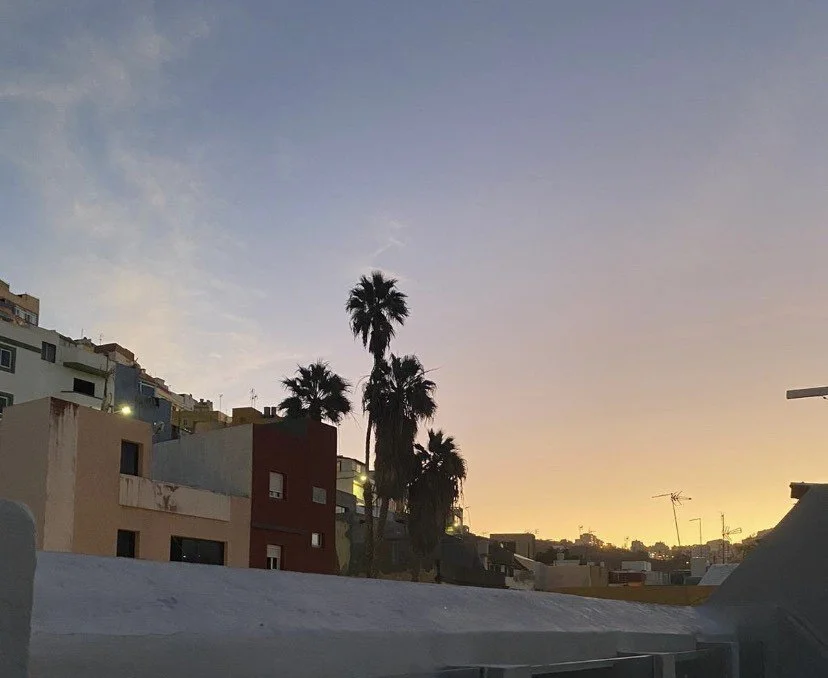
The lady on the bus from the airport to Las Palmas says “mi cielo” pointedly. I glance reflexively over my shoulder before I realise she is addressing me, a stranger, as “my sky.” I move out of her way and am thanked with “ohh, gracias, cariño” (“ohh, thank you, darling”) before — noticing I am travelling alone — she asks me where I am going and why. Within a couple of minutes, she has texted her daughter who lives in Vegueta and opened up her camera roll to show me which buildings offer the best glimpses of the city’s sunset skylines.
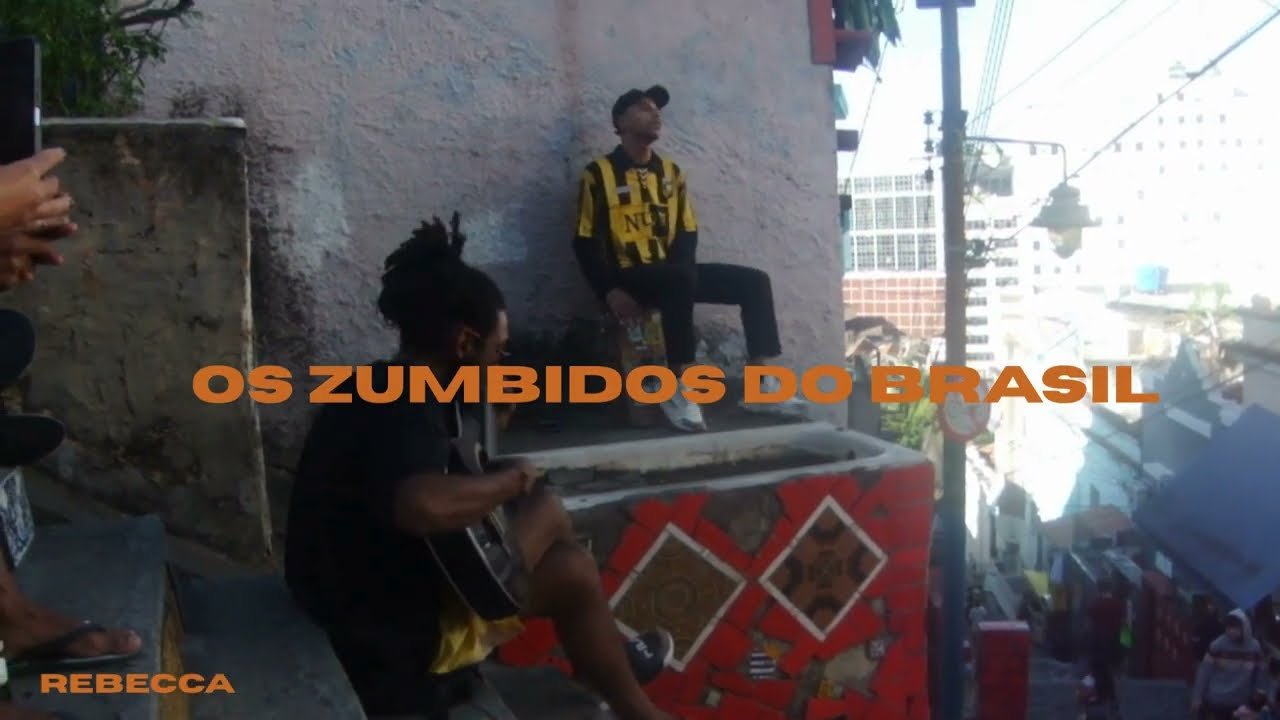
It was Vinicius de Moraes – the Brazilian poet, essayist, playwright, and musician – who said that “Brazil is a country where music and dance are inseparable from everyday life”. As well as seeking to capture this musical essence, the video aims to convey the general murmurings of the country. For the soul of Brasil’s sound lies not only in its melodies, but also in the everyday movements of its people.
Despite its incredible heritage and beauty, Alexandria receives relatively little attention compared to Egypt’s other major cities. Consequently, Jake Altmann shines a spotlight on this jewel of the Mediterranean.
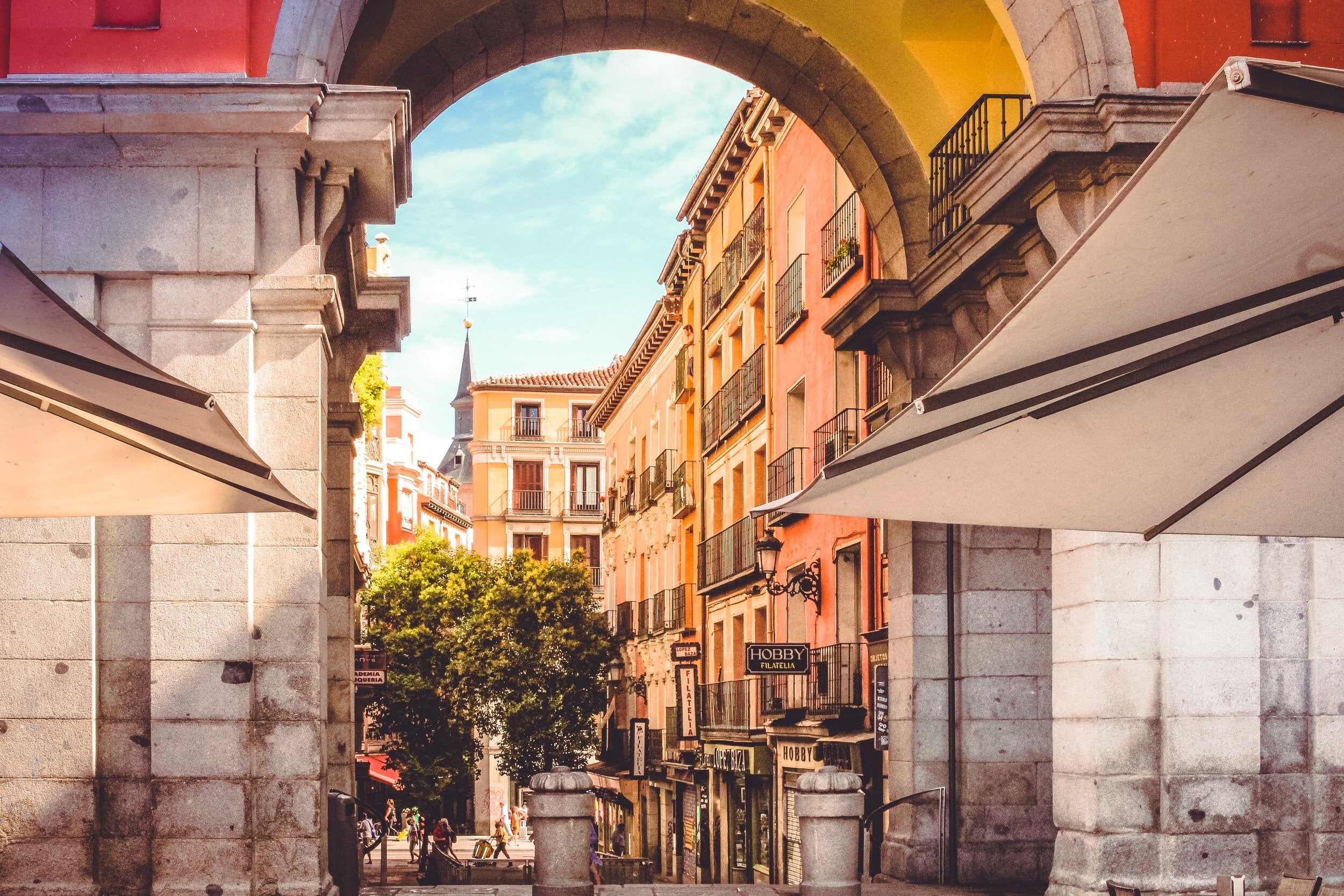
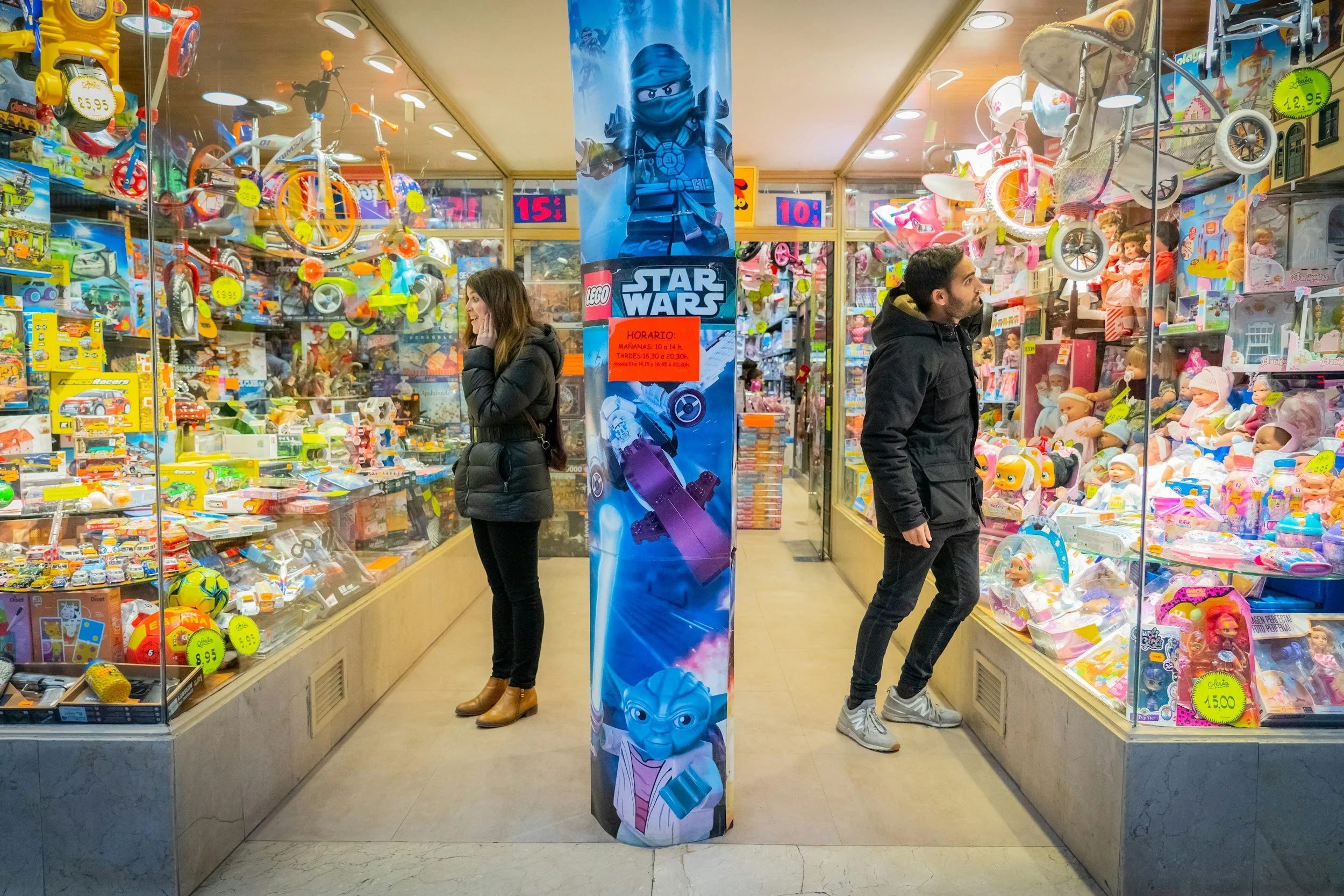
Plaza Mayor Madrid
Dara Osinowo tells the story of the Biafran War through letters between a sister and brother.
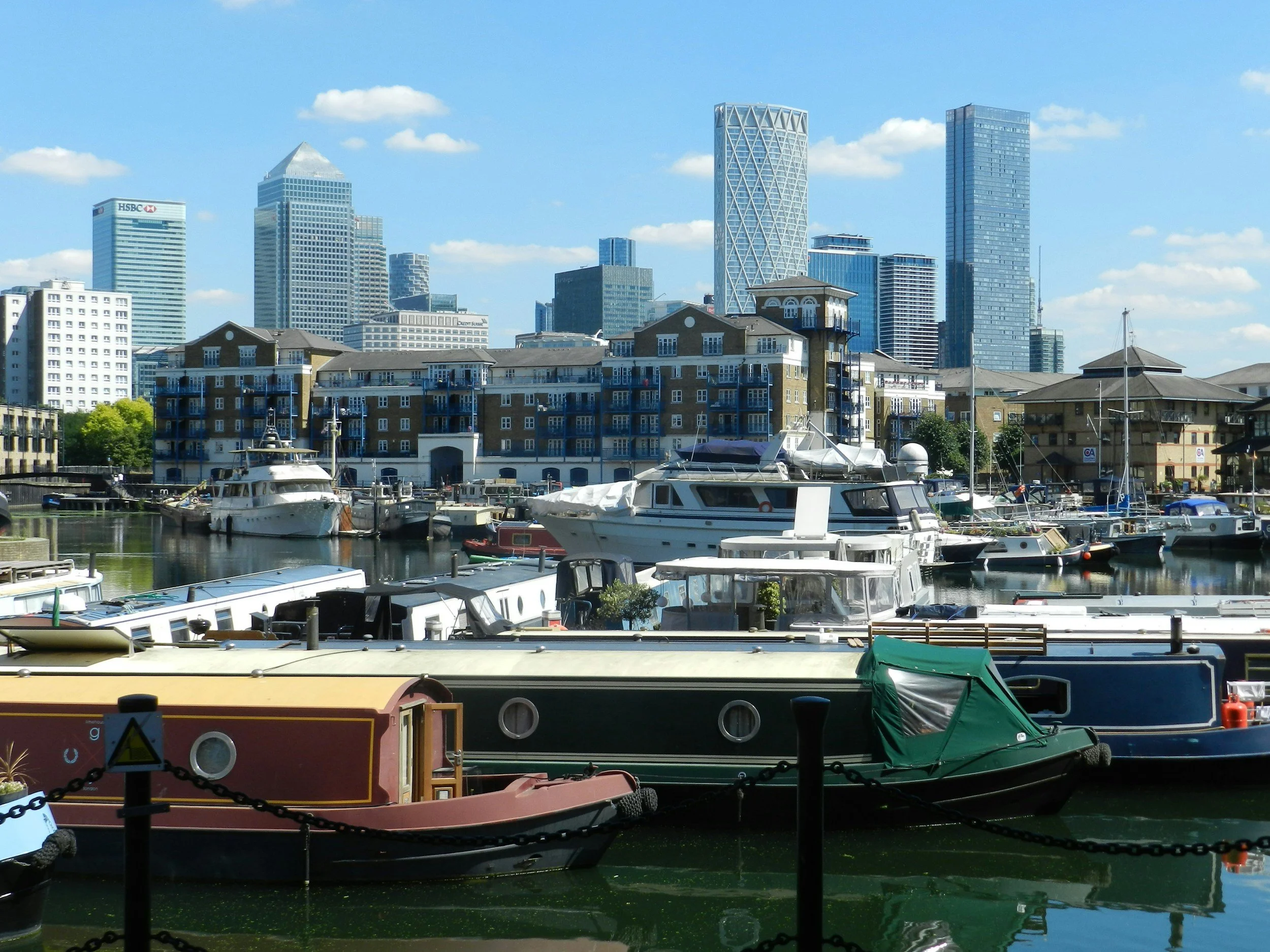
This article discusses the often overlooked history of Limehouse, London’s original Chinatown, and reflections on what Chinatowns in the United Kingdom represent as a part of British identity.
Rosa explores Matcha, a type of powdered green tea, as a product marketed to the West as entirely Japanese, despite its Chinese origins, and what underlying societal beliefs may be informing our perception of the beverage.
As the editor of the Asia Section, I chose, as a historian, to explore the story of the International Settlement in Shanghai, a littoral space of colonial hierarchies and inequality, yet of cooperation and growth.
Sanna Ali explores her relationship with her Pakistani heritage, and what she learnt about her identity through incorporating Pakistani jewellery into her style.
Fatiah Suleiman explores the three hundred year history of the Yoshiwara Red-Light District, in modern day Tokyo. In her own words, ‘Writing is a conduit, through which we can put a spotlight on what the Yoshiwara Red-Light district was, and hopefully, tell the stories of the thousands of women who were never passed a pen.’
Mamak stalls represent more than the multicultural nature of Malaysian cuisine but serve as a metaphor for the nation’s multicultural heritage and history, as explained by Zerlynde Goik through a sensitive and deeply personal account of what the open-air food stalls mean to her.
From fuzzy prototypes to classical definition failure, Caitlin Newman explores how gender was never a category to be defined, but a game to be played.
Why do some languages feel closer than others? Ibrahim Farah explores an alternative map of language similarity, one drawn not from ancestry but from how languages are actually used and translated in everyday media.
In her third installment of ‘What’s App in Italian Linguistics’, Rebecca Gatti explores how simple Italian words have changed in meaning when used while texting
In her second column on the epics, Hanna Simojoki shares a nuanced insight into the history and rediscovery of what is thought to be the world’s oldest literary masterpiece
In her second column, Rebecca Gatti explores specific discourse markers in Italian, demonstrating how they can be used within online communication to mean many different things.
Liv Bonsall, one of the co-founders of the Cambridge Language Collective sits down with current Editor-in-Chief Rebecca Turner to share her career journey and talk about the roots of the collective.
Languages and Creative Writing graduate Jade Cuttle talks to Co-editor Liv Bonsall about her career post-Cambridge as well as her debut album, ‘Algal Bloom’.