Europe
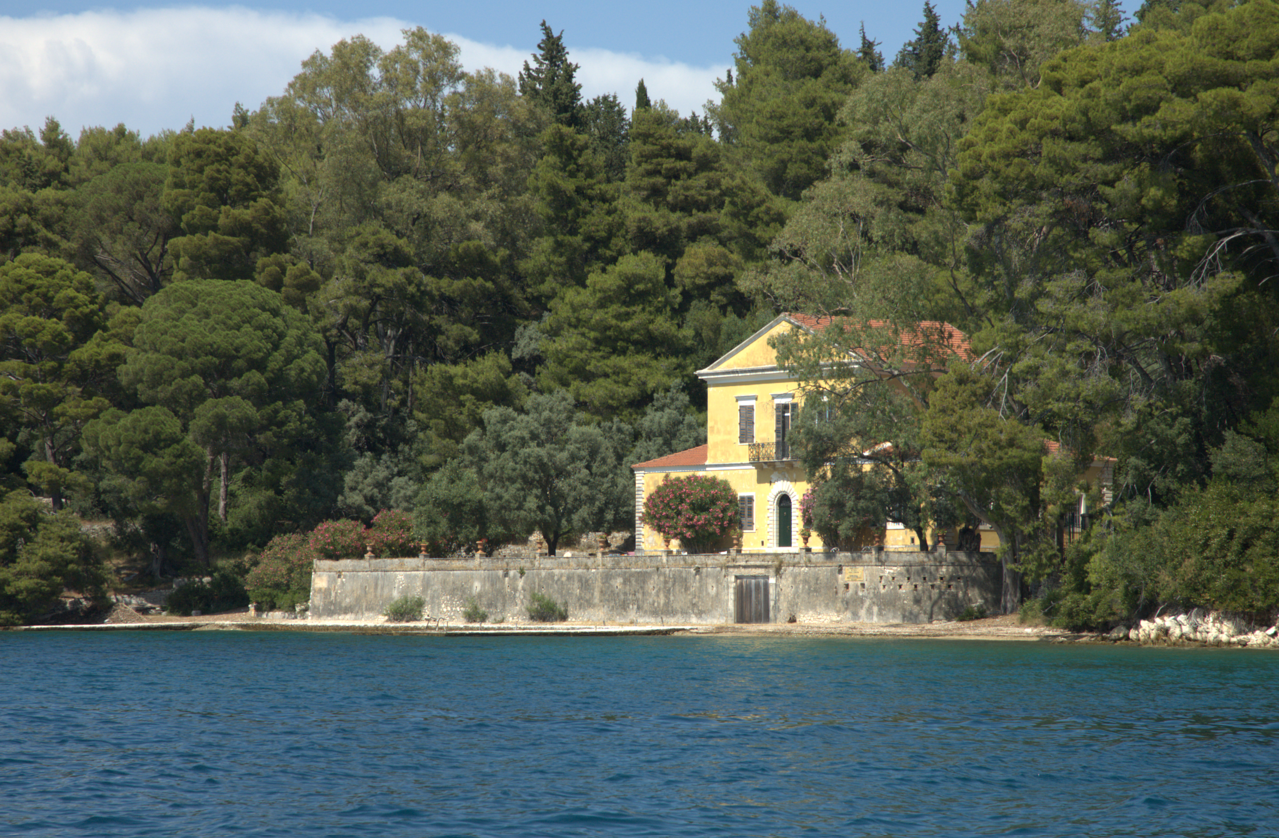
Greece, photographed by Isaac Ohringer
Does Michel Houellebecq Still Matter? Part II: The H.P. Lovecraft biography
In this article, Geordie Cheetham looks at Houellebecq’s first published work, a biography of the American author H. P. Lovecraft. How does disgust with the modern world become a fitting object of literary study, when Houellebecq approvingly cites Lovecraft’s disdain for all forms of realism? And what does a corpse surrounded by shopping trolleys Nouvelles Galeries have to do with it?
Where Love Lies I: The West’s Affair with the Exotic.
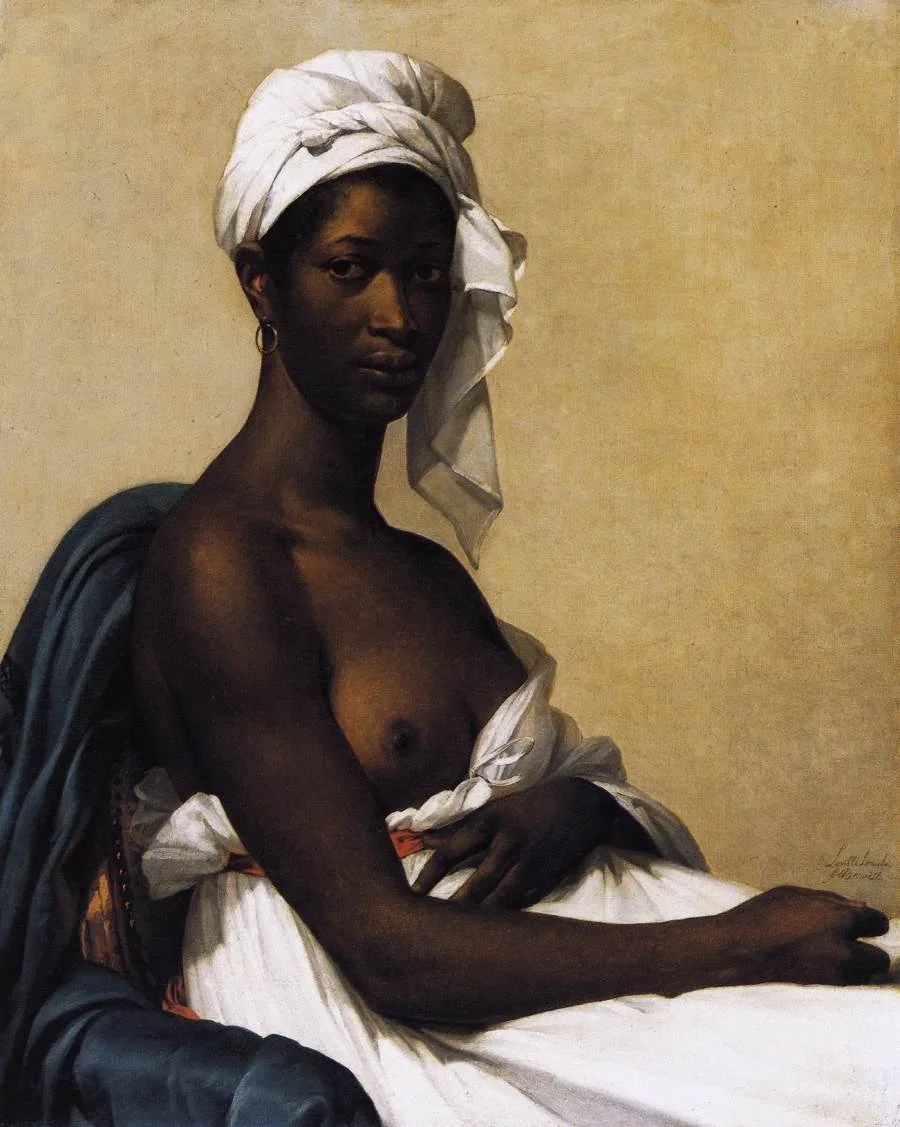
We are told that love is a primal force: innate, ahistorical, transcendental and above society. But how can something be truly innate if it is a concept that exists within the act of telling? CLC Columnist Mila Edensor explores such intriguing questions in this excellent analysis of early modern Portuguese poetry. From the unrequited love of men in the late 1500s, to the ‘passport bro’ of today, Edensor skilfully explores what this obscure poetry can mean for us today.
Does Michel Houellebecq still matter? Part I: Setting the scene
In this intriguing column, CLC Columnist Geordie Cheetham expertly explores the man behind some of France’s most popular tales of anomie and despair: Michel Houellebecq.
Von Preisverleihungen und Hinterhoflesungen: Ein Bericht über die Leipziger Buchmesse
In her thoughtful account, Michelle Schreiber describes the Leipzig book fair— from its unannounced backyard readings, to its awards, she covers it all, and does so both in German and in translation.
A Modern Manifesto for Russian Studies
Camille McCarthy gives us her thoughts on consuming Russian culture in an ethical way. Her thought-provoking manifesto encompasses the legacy of empire and the regime’s official patronage initiatives, as well as the thorny question of how to define a nation’s culture.
Inside the Literary Salon I: the Female Voice of the French Renaissance
Columnist Martha Leggett discusses the legacy left by female-only salons in French literary culture.
WO BIST DU JETZT? – Dislocation in Olivia Wenzel’s 1000 Serpentinen Angst
In this thoughtfully considered article, staff writer Beattie Green sensitively reviews Olivia Wenzel’s debut novel 1000 Serpentinen Angst. In doing so, she explores the questions it raises, which, in some way or another, come to affect all of us.
Day X, the AfD, and Hans Fallada: an author born 130 years ago and the rise of the new German far-right
Sofia Johanson, editor of the Russia, Eastern Europe and Central Asia section, comments on the ascendance of the far-right in Germany with the help of a novel published in 1947.
Lusotropicalism in Literature
Jenny Frost explores the ideology of ‘lusotropicalism’ through the lens of postcolonial Mozambican literature.
Samizdat: How The Soviet Union’s Unique Literary Phenomenon Became a Caricature
Tom Paterson discusses the fascinating history of clandestine literature in the Soviet Union and its travestied perception in the West.