Europe
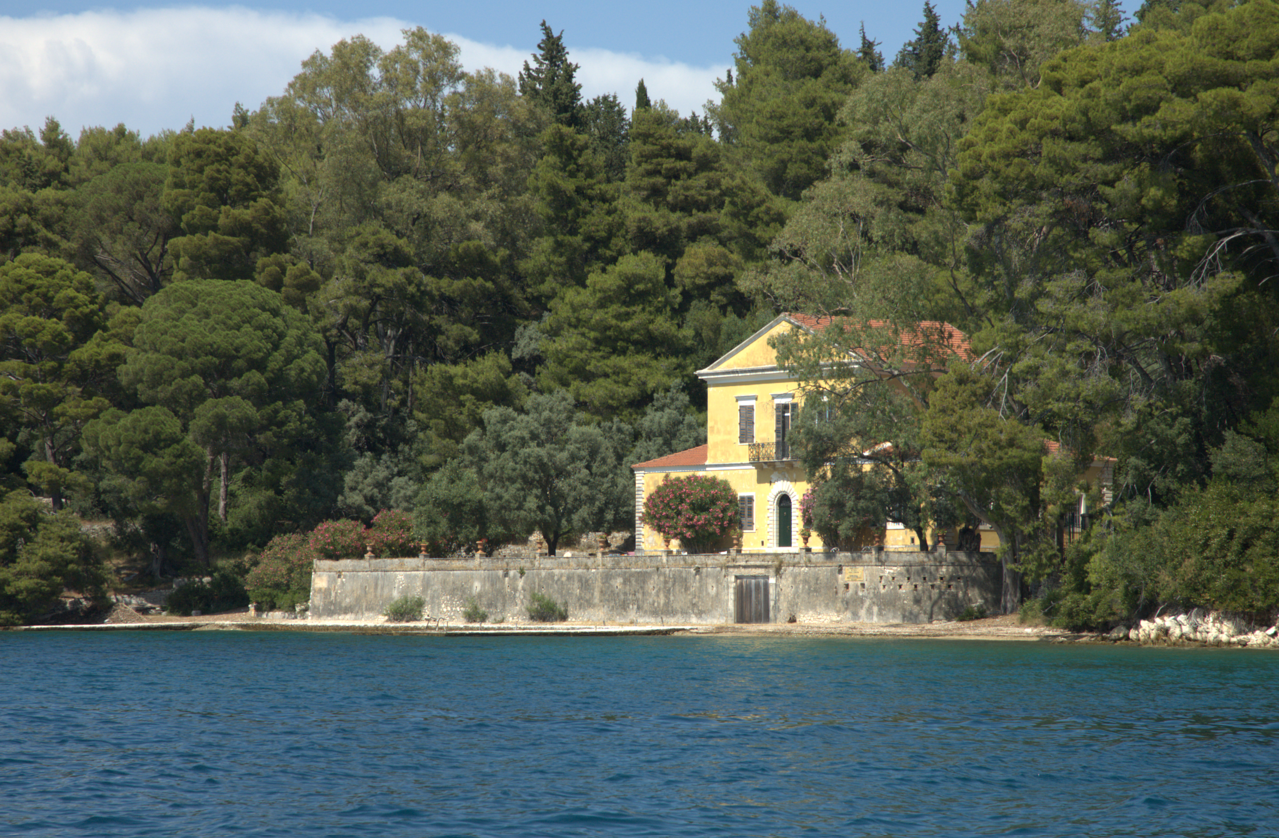
Greece, photographed by Isaac Ohringer

Jan Matejko’s Skarga’s Sermon: A Flawed Masterpiece Misunderstood?
Marcelina Palamar introduces us to the complicated work of Jan Matejko, one of Poland’s most famous artists, revealing that despite Matejko’s grand intentions, a failure to consider his spectator’s lack of contextual knowledge eventually betrays him.

Beyond Brave Little Blighty I: Occupation
In her first instalment of her column ‘Beyond Brave Little Blighty’, REECA editor Sofia Johanson considers filmic representations of Nazi occupation in Eastern and Western Europe, through the lens of Dutch and Polish examples.

A Love Letter to Pierogi
Marcelina Palamar tells us about the wonderful dough creations that are pierogi, as well as giving us an idea of their cultural (and personal) significance.

Stanisław Szukalski: A (self-proclaimed) Genius
In another insightful re-assessment of Polish art, Marcelina Palamar introduces us to the eccentric genius, Stanisław Szukalski.

Beyond Pain and Terror: Zdisław Beksińksi through another lens
Marcelina Palamar re-evaulates the work of Zdislaw Beksinksi, taking a fresh look at the themes and wealth of symbolism that characterise his work.

Taking Tradition Abroad: The Polish Christmas Edition
In this festive piece, Marcelina Palamar tells us all about Polish Christmas traditions and reflects on celebrating in two new homes.
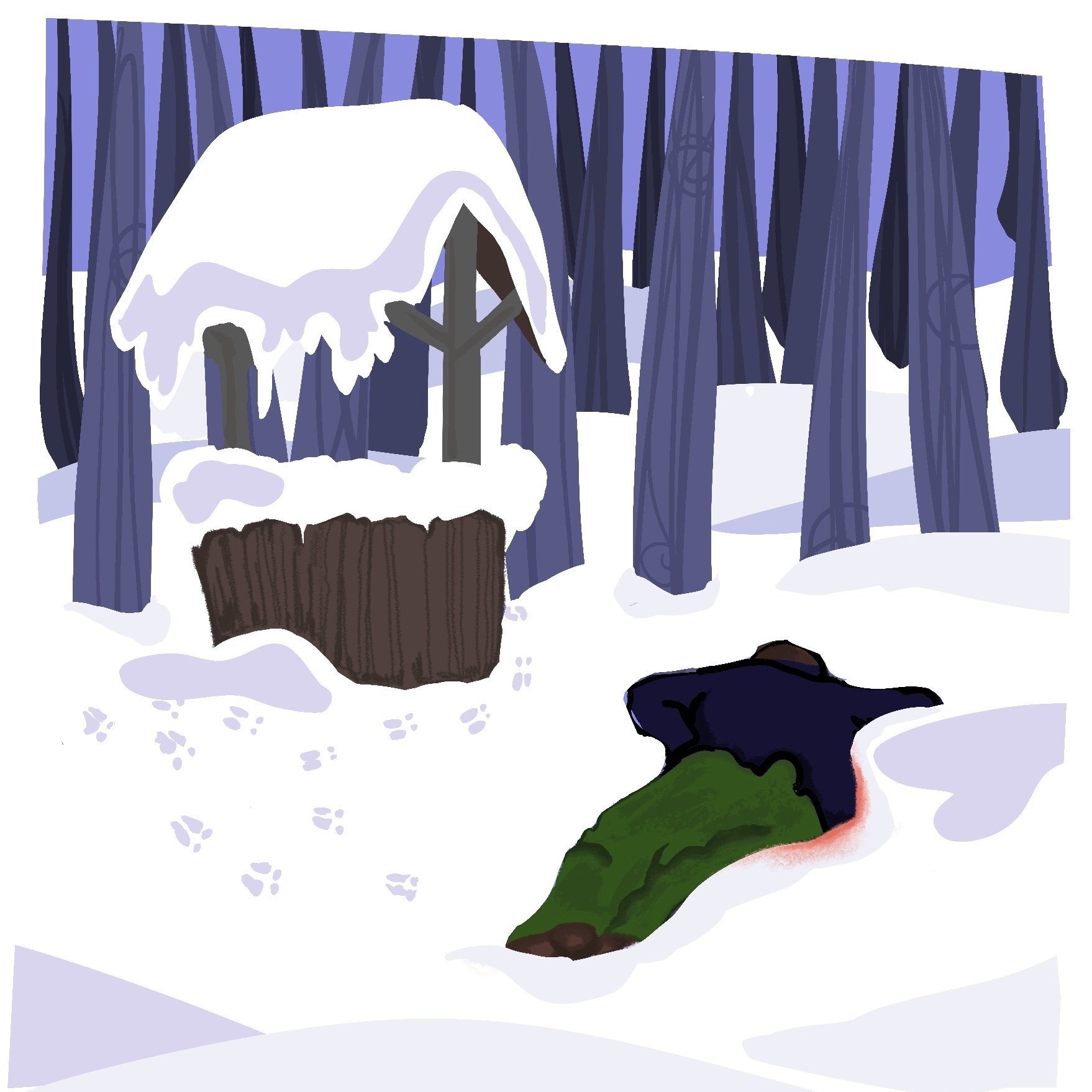
Modern Fiction in Translation II: Drive Your Plow by Olga Tokarczuk
Columnist Alice Wright reviews Olga Tokarczuk’s 2009 novel Drive Your Plow, an astonishing amalgam of murder mystery and dark feminist comedy.

Travel Writing and ‘A Chip Shop in Poznań’
Anna Whitehead reflects on Ben Aitken’s ‘A Chip Shop in Poznań’, Polish culture and travel writing as a genre.

Between Wars, Between Identities II - Why Are We Here?
Sam Rubinstein explores themes of displacement and Polish-Jewish searches for belonging in Maurycy Szymel’s inter-war poetry

Between Wars, Between Identities I - Polish Jews and Jewish Poles
In his column ‘Between Wars, Between Identities’, Sam Rubinstein explores key issues of early twentieth-century Ashkenazi Jewish poetry, including antisemitism in Eastern Europe prior to the Holocaust, literary debates over the use of local vernaculars in Jewish poetry and expression, and Jewish nationalism and the beginnings of the Zionist movement. In this first column, he takes a look at the divide in Polish Jewish literary circles over language choice, and how key actors reconciled language with their evolving identities.
