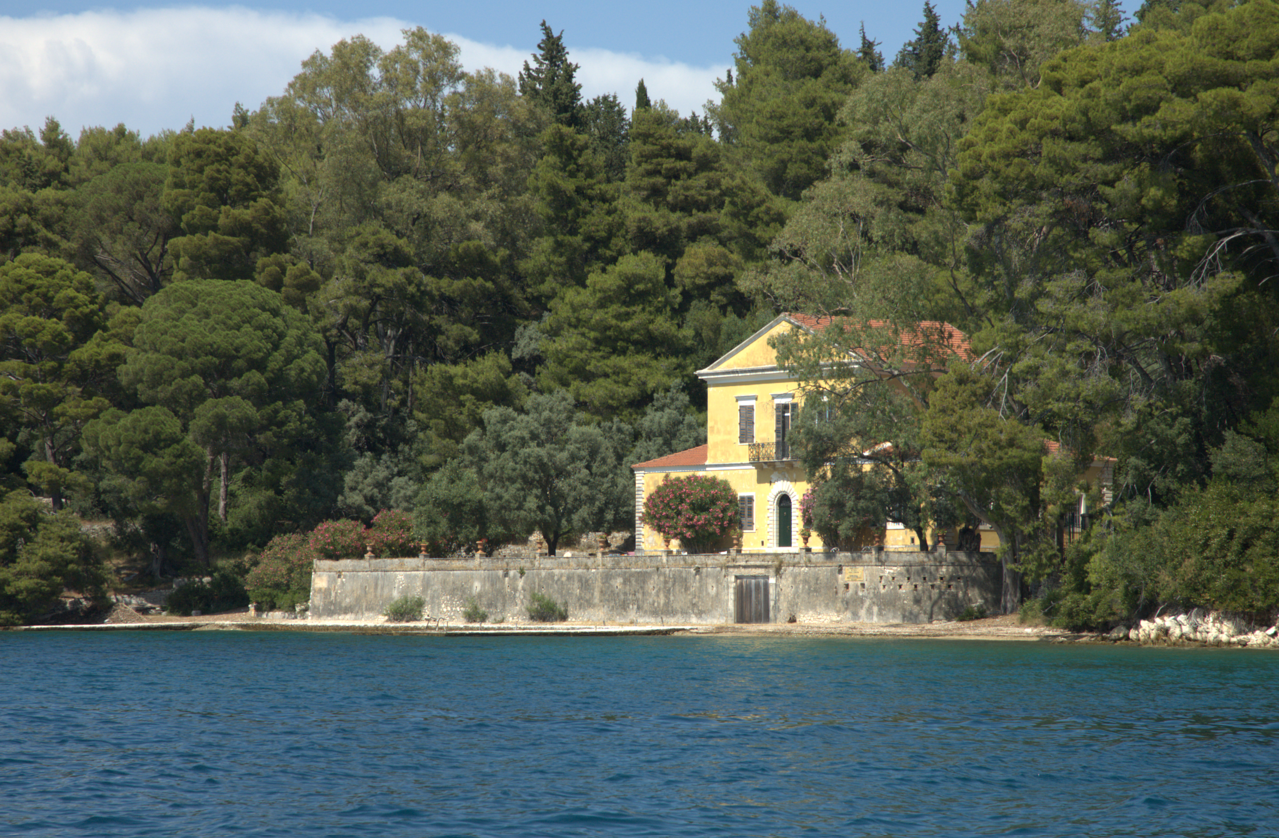
Europe
Greece, photographed by Isaac Ohringer

Two visions of Italian womanhood
Staff Writer Dylan Stewart explores the new landscape of Italian politics in this interrogative article that explores the intersection of womanhood, politics, and the future of Italy.

The Bizarre World of Bruno Schulz: Legs, Boredom and ‘Demonology’
In another insightful exploration of Eastern European artists, Marcelina Palamar takes a look at the eccentric Bruno Schulz. Discussion of his use of the cliche-verre technique, his fusion of identities and the critical response to his work all come together in this informative piece on the artist and his life.
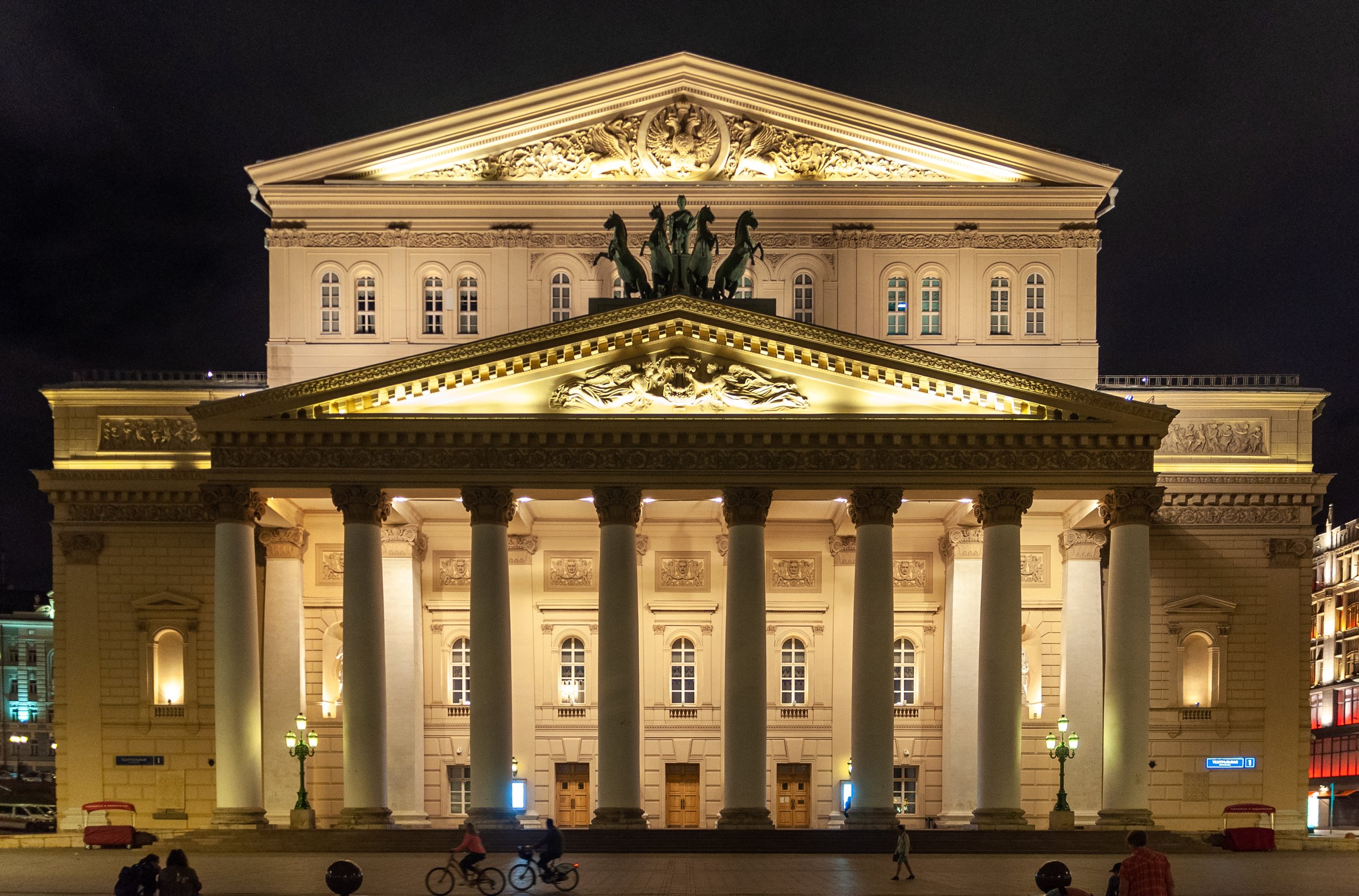
A Modern Manifesto for Russian Studies
Camille McCarthy gives us her thoughts on consuming Russian culture in an ethical way. Her thought-provoking manifesto encompasses the legacy of empire and the regime’s official patronage initiatives, as well as the thorny question of how to define a nation’s culture.

The Queer Body of Christ
Drawing on a wealth of primary materials from the Middle Ages and an array of secondary literature, Staff Writer Jude Jones explores the how the body of Christ is fundamentally queer in an eloquent and sophisticated piece.

Inside the Literary Salon I: the Female Voice of the French Renaissance
Columnist Martha Leggett discusses the legacy left by female-only salons in French literary culture.

Im Westen nichts Neues: in Kriegsfilmen nichts Neues?
In this German language article, German Editor Freya Swinburne reviews Edward Berger’s highly acclaimed ‘All Quiet on the Western Front.’ In her broad analysis of this cinematic spectacle, she explores the extent to which the film fits the war film formula, and its significance for modern German culture.

WO BIST DU JETZT? – Dislocation in Olivia Wenzel’s 1000 Serpentinen Angst
In this thoughtfully considered article, staff writer Beattie Green sensitively reviews Olivia Wenzel’s debut novel 1000 Serpentinen Angst. In doing so, she explores the questions it raises, which, in some way or another, come to affect all of us.

Strasbourg (or Straßburg): A German City in France?
Staff writer Ollie Merriman explores the intercultural dynamics that converge on Strasbourg. In his explorations of the culture, architecture and history of this French border city, Ollie not only considers the identity of Strasbourg itself, but, rather, Europe as a whole.

Franco-Maghrebine Attitudes: Frigid Shores on the Mediterranean
Staff Writer Frey Delap explores the strained relationship between France and its former colonies in North Africa, questioning whether political actions can ever truly influence cultural attitudes.

A Love Letter to Pierogi
Marcelina Palamar tells us about the wonderful dough creations that are pierogi, as well as giving us an idea of their cultural (and personal) significance.

Day X, the AfD, and Hans Fallada: an author born 130 years ago and the rise of the new German far-right
Sofia Johanson, editor of the Russia, Eastern Europe and Central Asia section, comments on the ascendance of the far-right in Germany with the help of a novel published in 1947.
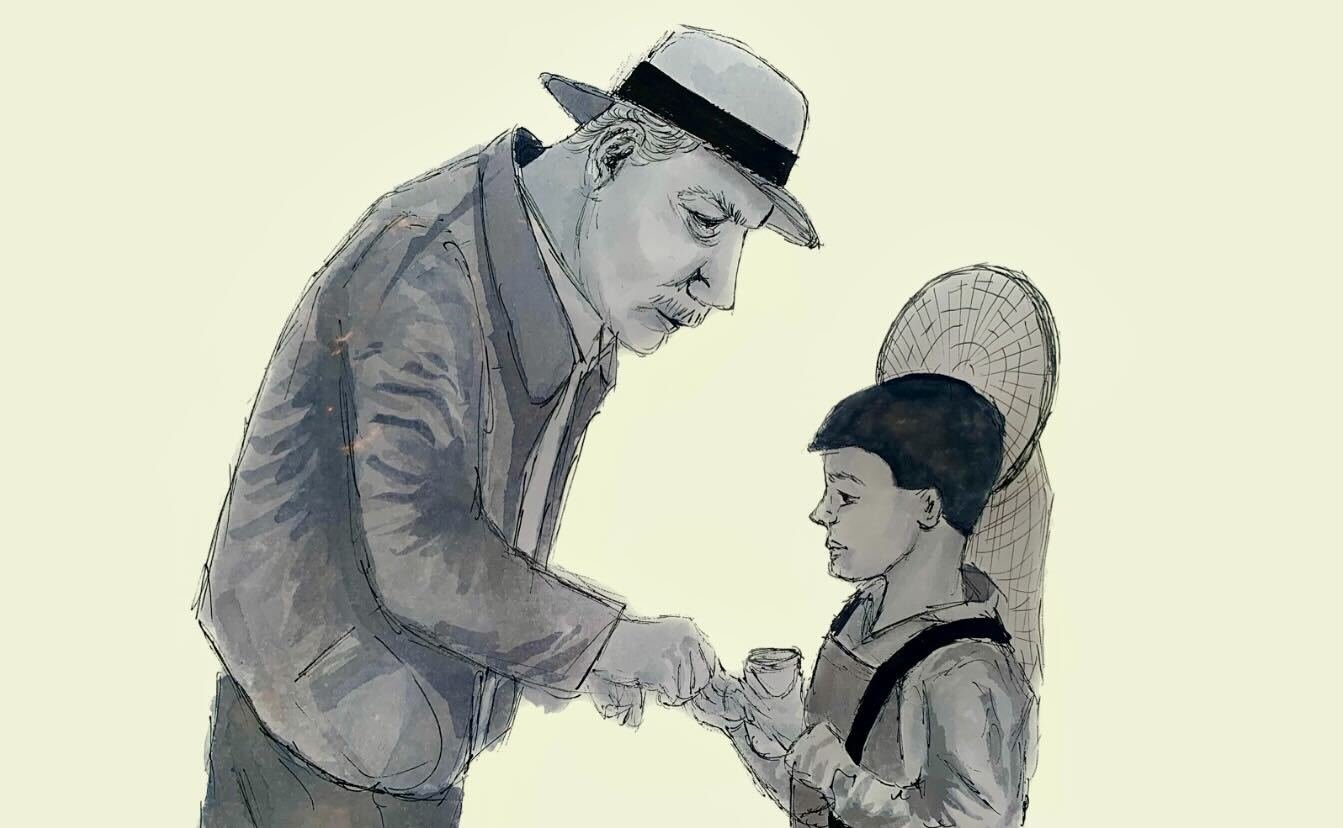

Stanisław Szukalski: A (self-proclaimed) Genius
In another insightful re-assessment of Polish art, Marcelina Palamar introduces us to the eccentric genius, Stanisław Szukalski.

Legacy on Display: The Museum of Soviet Occupation in Tbilisi
Rosa Hollier Phelps takes us around the Museum of Soviet Occupation in Tbilisi, Georgia, exploring the legacy of Communism in her new home.
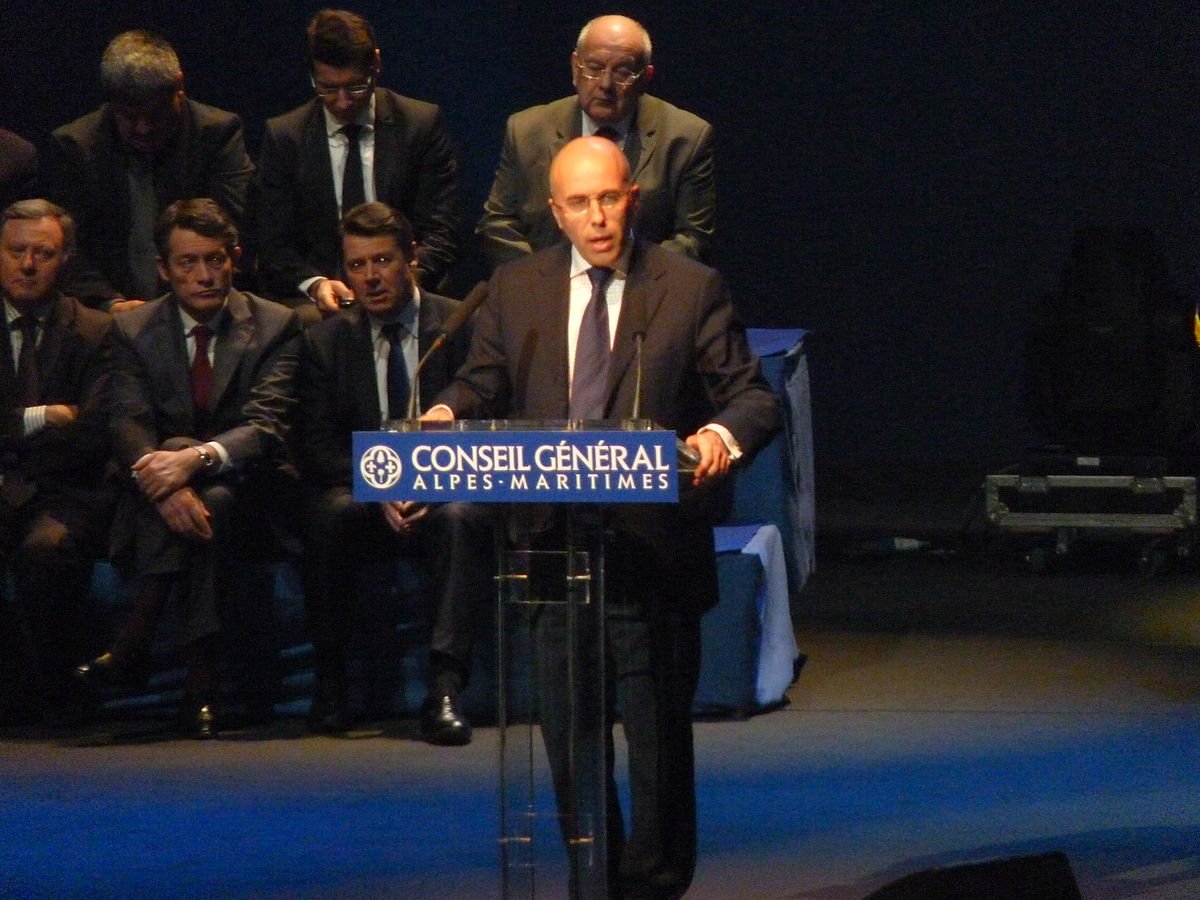
Ciotti’s boulder
‘Instead, Ciotti might realise too late that he was never Hercules, but Sisyphus.’ Staff Writer Jensen Hawkes explores whether or not Éric Ciotti can become a leader in French politics.

The Mother of All Wars
An exploration of the image of ‘the mother’ in conflict, how her ordinariness has had an impact on public affairs, and whether she will re-appear in the current discourse battle over Ukraine.


Klein, Jarman, and Bennett’s Angelic Conversation: Thinking About the Place of Art in Crisis
In the second instalment of his musings on the wider reach of ‘International Klein Blue’, staff writer Jude Jones explores how the works of Australian artist Gordon Bennett offer a different angle to artistic reactions to ‘IKB’; and brings to light the perspective certain artworks can bring to contemporary crises.

Beyond Pain and Terror: Zdisław Beksińksi through another lens
Marcelina Palamar re-evaulates the work of Zdislaw Beksinksi, taking a fresh look at the themes and wealth of symbolism that characterise his work.

Can we ever separate the artist from the art?
Staff writer Alexandra Macpherson explores how the legacies of some controversial artists and authors can affect the way their work is viewed today, asking whether we can- or should- separate the artist from their art.