Stalemate on the Nile as Ethiopia’s fantasy ignites Egypt’s worst nightmare
Olivia Mustafa
The Nile has long been renowned as Egypt’s lifeline, providing power and abundance for milennia. But Ethiopia’s plan to complete construction of a new hydroelectric power plant on the Blue Nile has left Egypt in a position of deep vulnerability. With stilted negotiations, escalating tensions and a reservoir which is slowly beginning to fill, the question of who really controls the Nile is more crucial than ever.
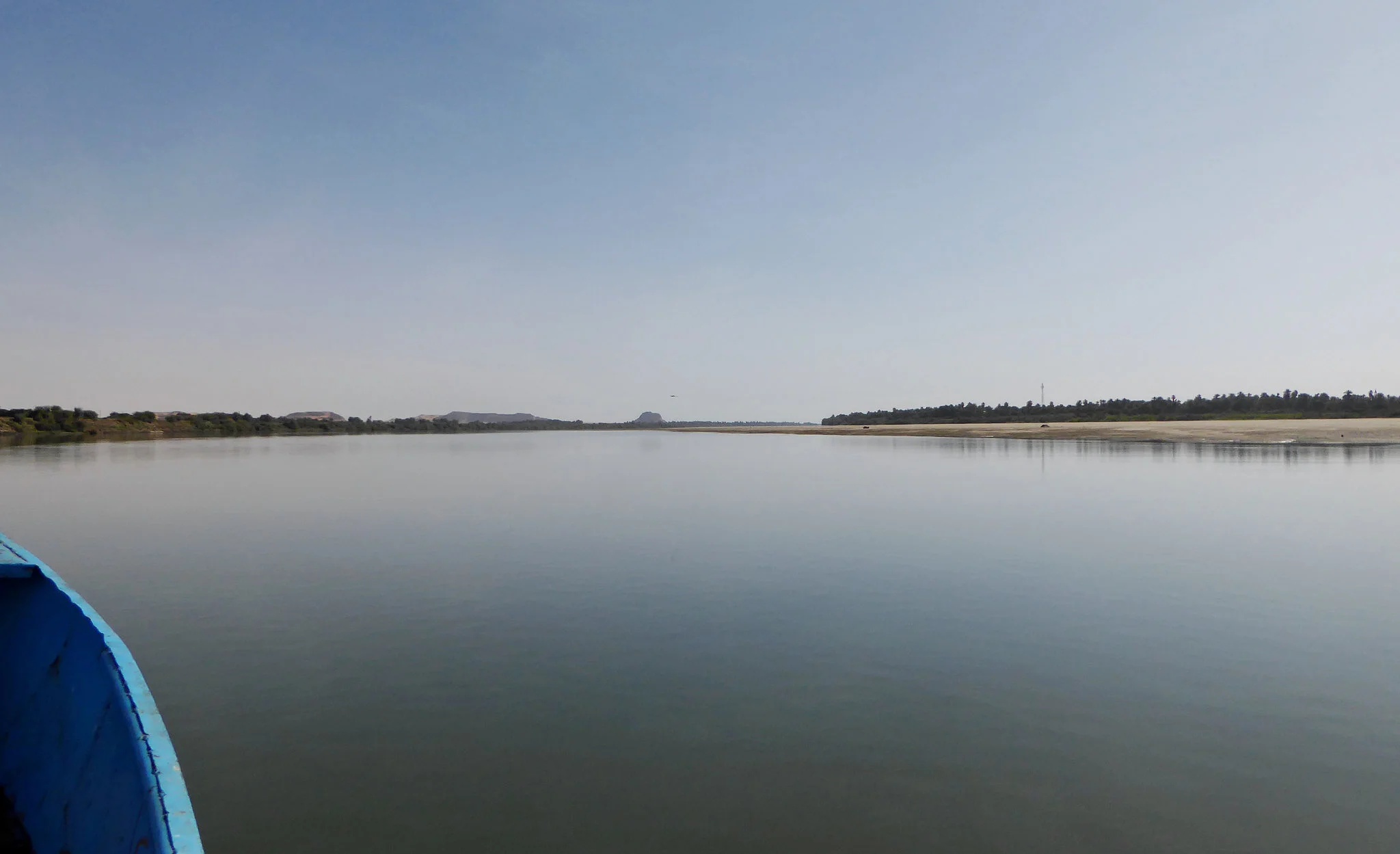
The River Nile (Photo: Hans Berger Nilsen, CC BY-SA 2.0, via Flickr)
Despite construction having been underway since 2011, this year has fuelled desperation for the completion of the Grand Ethiopian Renaissance Dam (GERD). 2020 has brought setback after setback for Ethiopia. Whilst much of the rural population is gripped by poverty and food insecurity, the country has weathered the worst locust outbreak in 25 years, severe flooding, and the economic consequences of the Covid-19 pandemic. The dam is a shining beacon of hope for the country’s future. It could potentially lift millions from poverty, providing clean electricity to 65 million Ethiopians and driving industrialisation.
But thousands of kilometres downstream, this same symbol of hope becomes Egypt’s worst nightmare. A rapidly increasing population coupled with worsening water scarcity spells trouble, and the UN has even claimed that Egypt could run out of water by 2025. The GERD threatens to exacerbate this further – not only does Egypt have a water crisis on its hands, but the fate of this now lies in the hands of a foreign power, potentially with direct influence on the flow of the Nile.

Boats on the Nile (Photo: Jon Evans, CC BY 2.0, via Flickr)
Negotiations upon negotiations between Egypt, Ethiopia, and Sudan (whose water supplies are also under threat) have taken place over the past decade, but an agreement is yet to be reached. This can be boiled down to the starkly conflicting interests of each party. Ethiopia is keen to fill the GERD’s reservoir as quickly as possible. But the faster it does this, according to research by Al Jazeera Labs, the more Egypt and Sudan’s water supply will be cut, and the more farmland and livelihoods downstream would be destroyed.
Therefore, the most ideal situation for Ethiopia – having the reservoir filled as quickly as possible – happens to be the least ideal situation for Egypt. And whilst Egypt and Sudan are trying to negotiate a compromise and a limit to Ethiopia’s control over the flow of the river, Ethiopia, a country desperate for the many benefits promised by the project, is refusing to back down.
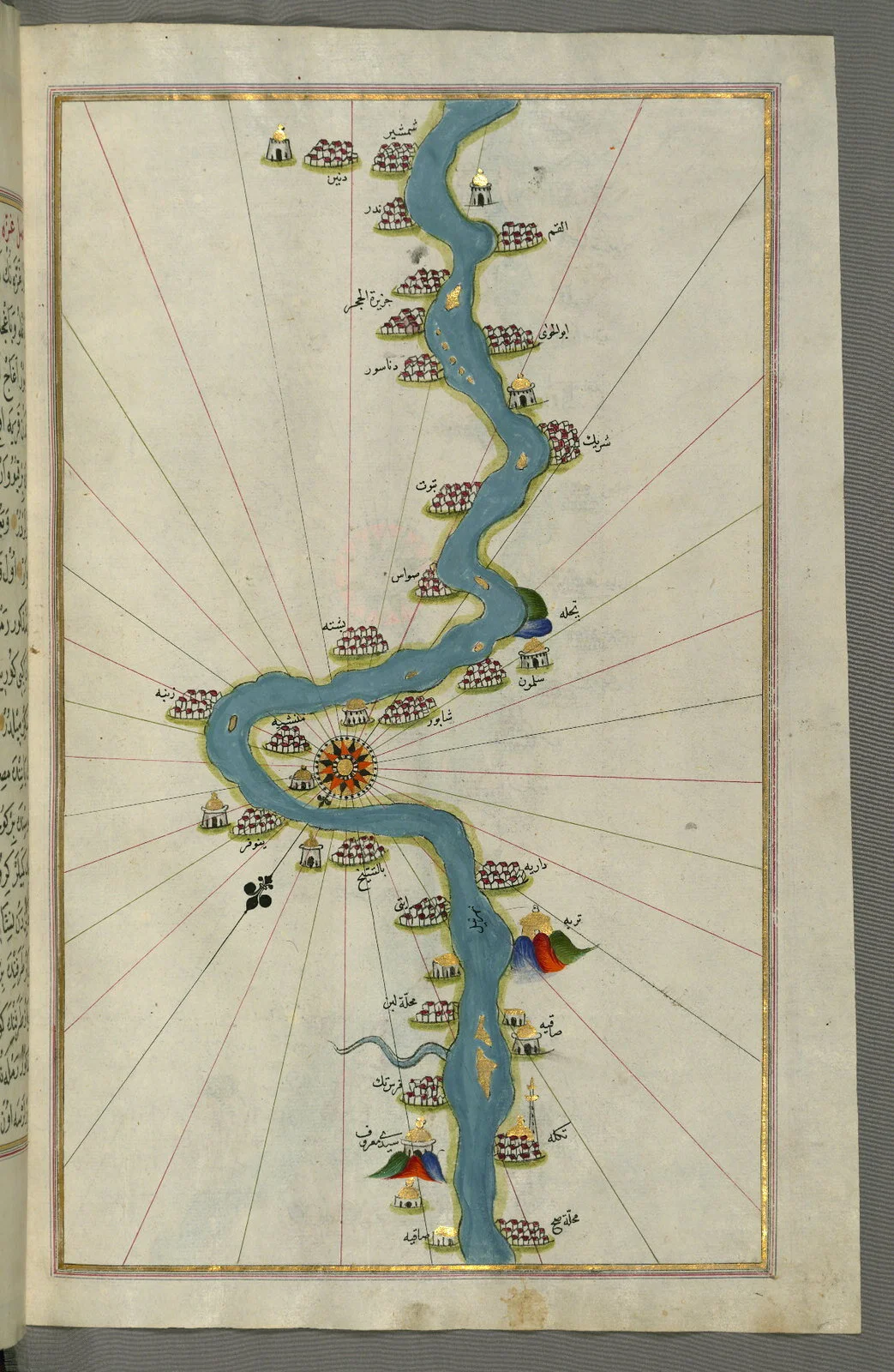
Illuminated Manuscript, Map of the Nile River with various oases on each as far as Sidi Maʿruf from Book on Navigation, Walters Art Museum (via Flickr)
The controversy surrounding authority over the waters of the Nile, like many other sources of tension in the region, can be traced back to 20th century colonialism. Treaties formed by the British in 1929 and 1959 allocated shares of the Nile’s water supply to Egypt and Sudan, but excluded other riparian colonies, including Ethiopia. Moreover, these treaties are still valid to this day, reflecting how the dam’s construction is not only casting uncertainty over Egypt and Sudan’s future, but also represents breaking away from structures imposed by the region’s colonial past.
Predictably, perhaps, the Trump administration’s involvement has put a complex spin on the current situation. Rather than just mediating negotiations, the administration took the move in September to cut a quarter of aid to Ethiopia. This places the US firmly on the side of Egyptian President Abdel Fatah al-Sisi, who Trump has described as his ‘favourite dictator’, which only serves to embolden Ethiopia’s determination to complete the project.
As time goes on, a way out of this diplomatic gridlock seems increasingly distant. Tensions are rising rather than diffusing, as Ethiopia recently banned flights in airspace over the dam, and governmental websites were reportedly subject to an Egyptian cyber-attack. With neither side willing to back down or agree, it is unclear if, or when, an agreement will be reached.
Thumbnail photo: Jon Evans, CC BY 2.0, via Flickr