‘What’s Wrong, Babe? You’ve Barely Touched Your Country’
When people ask where you are from, what do you say? In Egypt, I’ve noticed that people often expect a very specific answer - a neighbourhood, or even a street, rather than a city or country. Part of this is likely due to Egypt’s relative homogeneity. With most people being Egyptian, simply stating your nationality adds little new information. However, as a third culture kid (someone who grew up in countries different from my parents’ culture), I find it difficult to identify with locations as small as neighbourhoods, and sometimes even cities. Instead, I prefer broader labels, such as Egyptian and British. What interests me is how much pride and patriotism people attach to these identities.
I often question, is this pride justified? Many of the most blindly nationalistic people I’ve encountered have not necessarily explored their country in depth. For example, I know Egyptians who proudly celebrate our ancient civilisation without ever having visited the Pyramids, let alone destinations like Luxor or Aswan. In England, too, there are those who hold strong nationalist views and are highly protective of their identity. I often wonder to what extent such individuals engage meaningfully with England’s culture and history. I am certainly not a proponent of ultra-nationalistic stances. However, if one is to adopt such a position, it should at least be informed. At a minimum, this would involve visiting key landmarks, engaging with the country’s history, and understanding its contributions to the wider world. Of course, doing so might also reveal the inevitable flaws present in any nation, perhaps making such rigid nationalism harder to sustain. That is a conversation for another day. I do also want to acknowledge that not everyone has the time or financial means to travel within their own country. This is certainly true in Egypt, where infrastructure can make intercity travel difficult, and in England, where the extortionate cost of trains could get you to far sunnier and romantic cities in Europe. My criticism is directed only at those who do have the opportunity to explore their countries but actively choose not to.
Many people claim their favourite country is the one they are from, but what exactly are they responding to? If they were to take a map and circle the places that meaningfully shape their daily lives, how much of the country would be included? Of course, people are often required to spend the majority of their time in a few select places, like their work, homes, and local shops, to maintain routines that are vital to earn a living. Still, it is striking that while people travel across continents to experience new ways of life, some remain uninspired by the places they already inhabit, maintaining routines that could exist anywhere. I think that when one has the opportunity, it is deeply enriching to immerse yourself in the local geography, people, and culture of the places in which you live. It could help us realise that people’s way of living is not simply “normal,” but shaped by the place around them. Even within the same country, different landscapes, histories, and communities produce different ways of moving through daily life. Perhaps recognising this can make a person more open-minded, and less inclined to accept their own routines as universal and inevitable.
In pursuit of better acquainting myself with my own country, I recently returned from a trip to Bath and Bristol. Visiting Prior Park made me fall in love with the English countryside and helped me understand its long-standing influence on poetry. You might dismiss this as “touristy,” but why do we so often relegate the most beautiful parts of our own countries to tourists? The same happens in Egypt, where the Pyramids or historic mosques are sometimes brushed aside as “tourist attractions,” as if they weren’t built by our ancestors. If appreciating the beauty of your country makes you a tourist, then so be it. The UK indeed has many interesting cities, which British people sometimes take for granted. During my trip, I encountered people who had travelled all the way from Spain and the United States simply to experience parts of it. It is true, tourists likely appreciate the UK in a different, more romanticised way, detached from the realities of actually living in the country. However, English people themselves could also benefit from seeing why visitors travel from all over the world to experience it. I am not particularly nationalistic, but I do believe in recognising and appreciating beauty when it is accessible to you. What follows is a short reflection and photo essay of some of my recent UK travel excursions. Perhaps we would find our homes far more interesting if we approached them with the same level of curiosity and sense of adventure that we bring to travel abroad.
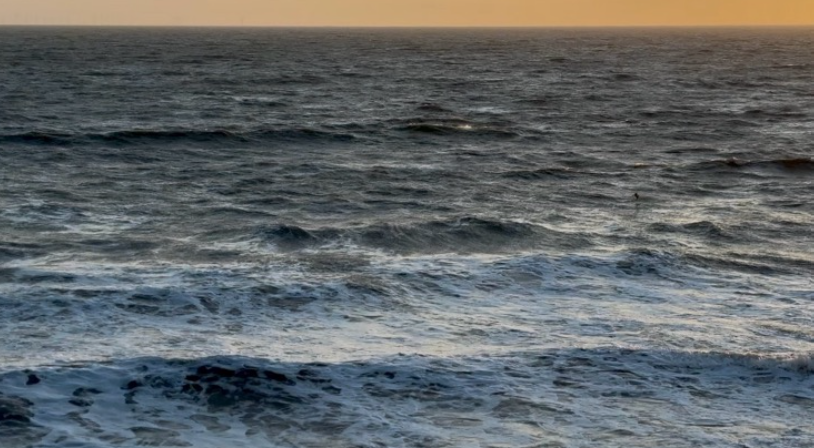
The expansiveness of the Atlantic Ocean in Brighton is terrifyingly beautiful.
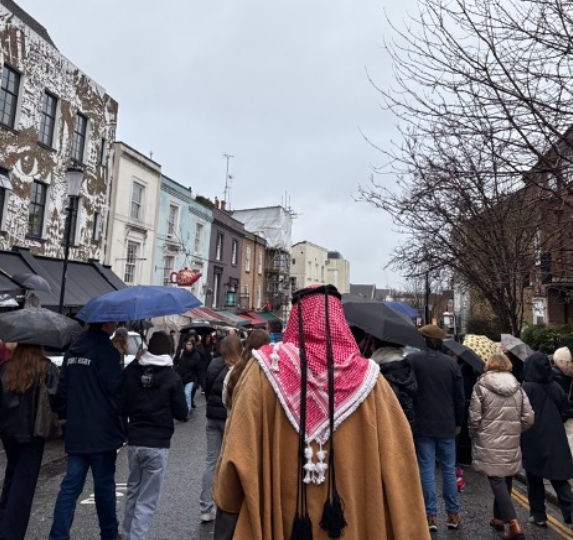
The contrast of the man dressed in vibrant traditional Arab attire against the English landscape of dark coats and umbrellas helped me see Notting Hill through a different, more interesting, perspective.
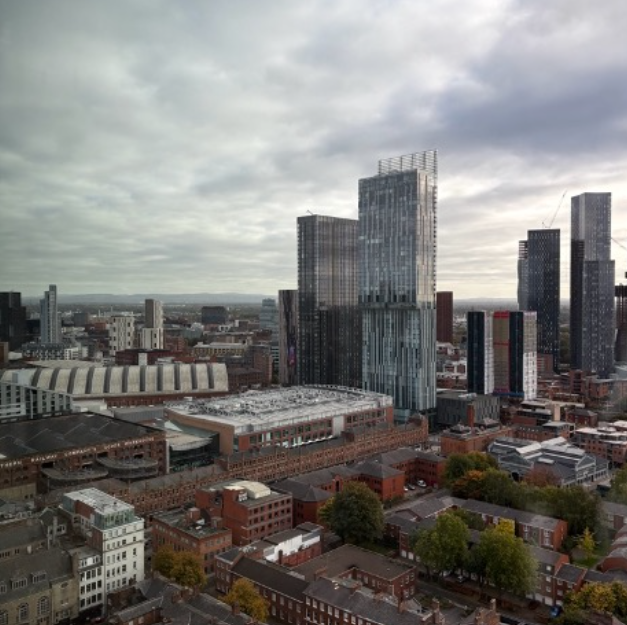
A view of the Manchester skyline, with a silhouette of imposing trees in the background. English skyscrapers feel shy, just about scratching the sky, not wanting to depart too far from the traditional architecture.
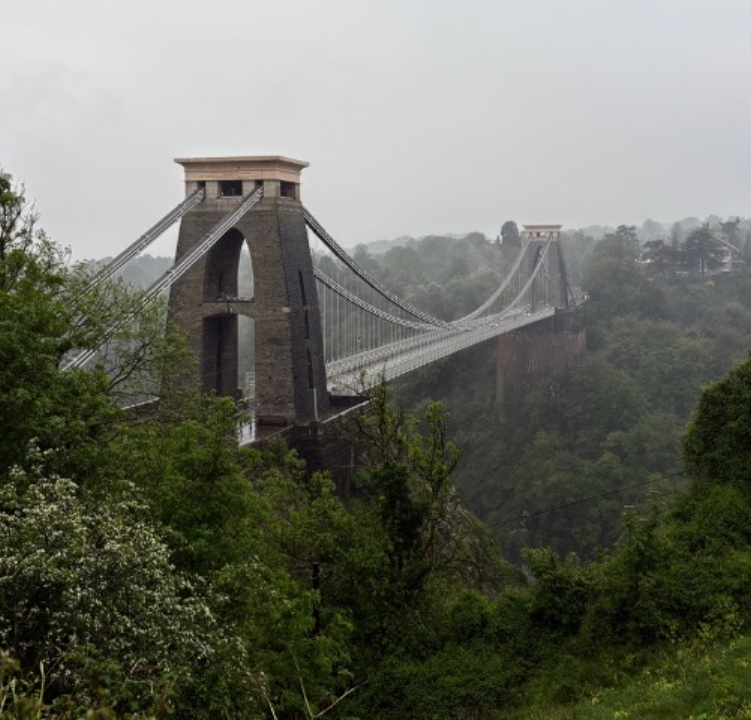
The Clifton Suspension Bridge in Bristol. Upon posting this on my Instagram story, I was again asked if I had left Cambridge to escape the stress of Easter Term. The greenery in the rain felt quite tropical and mysterious.
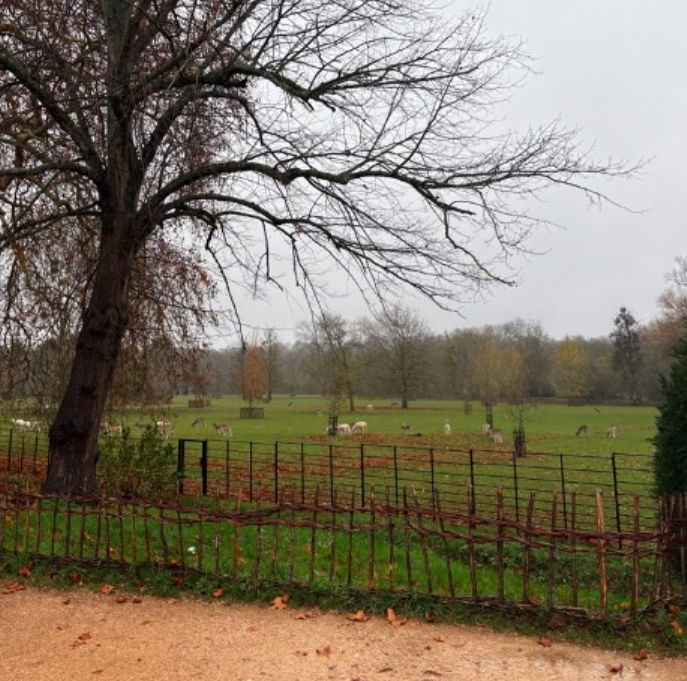
Magdalene College, Oxford. Although I hate to admit it, the walk in the rain with these adorable deer was charming.
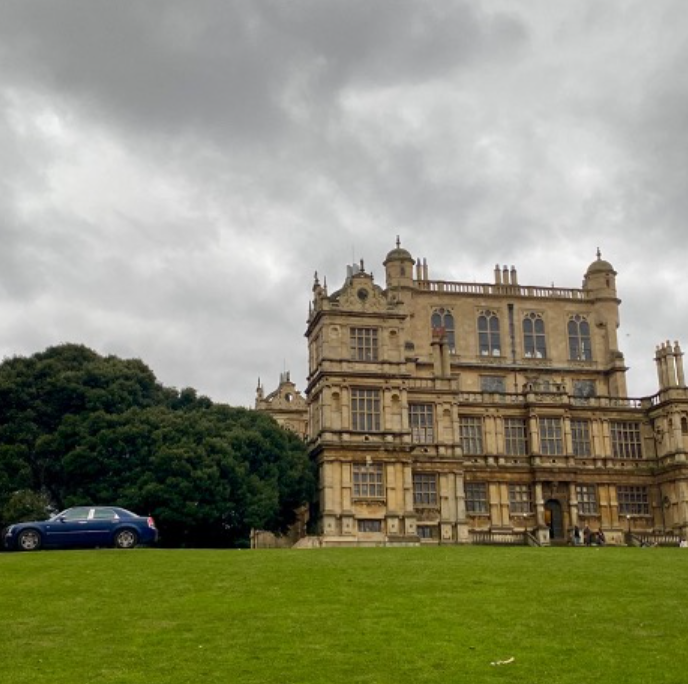
Nottingham Castle was perfect for satiating my childlike appetite for myths and fairy tales by learning about Robin Hood and cave exploration.
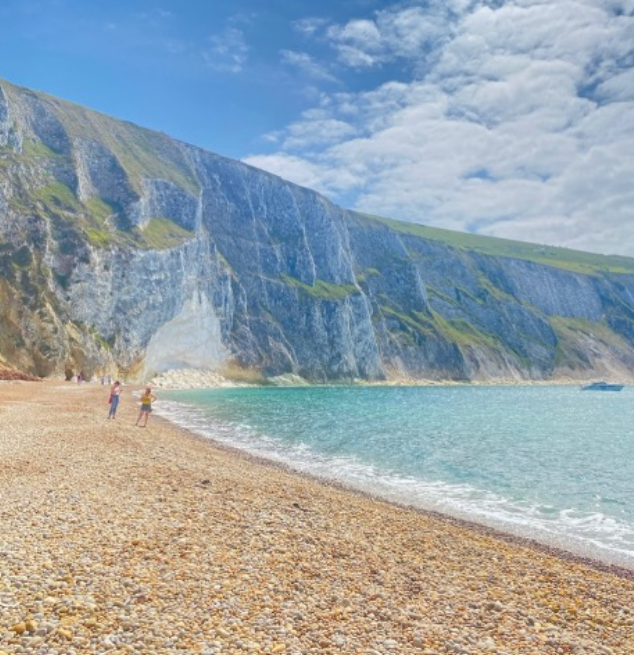
A photo of Needles in The Isle of Wight which I sent to my family group chat. They responded, surprised, asking “is this in the UK?!?”. It turns out that England, dare I say, is actually nice sometimes.
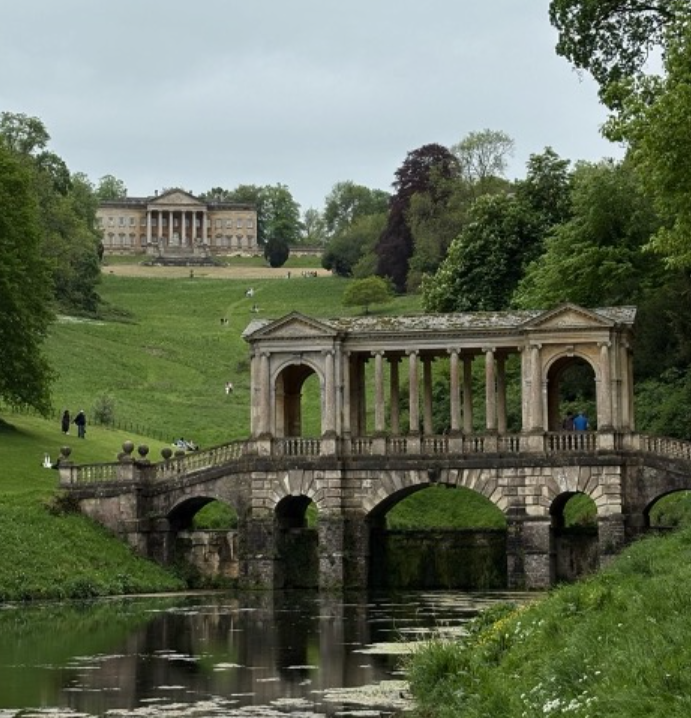
Lush English rolling hills and architecture in Prior Park, Bath. Laying on the grass here with friends even compelled me to write poetry.
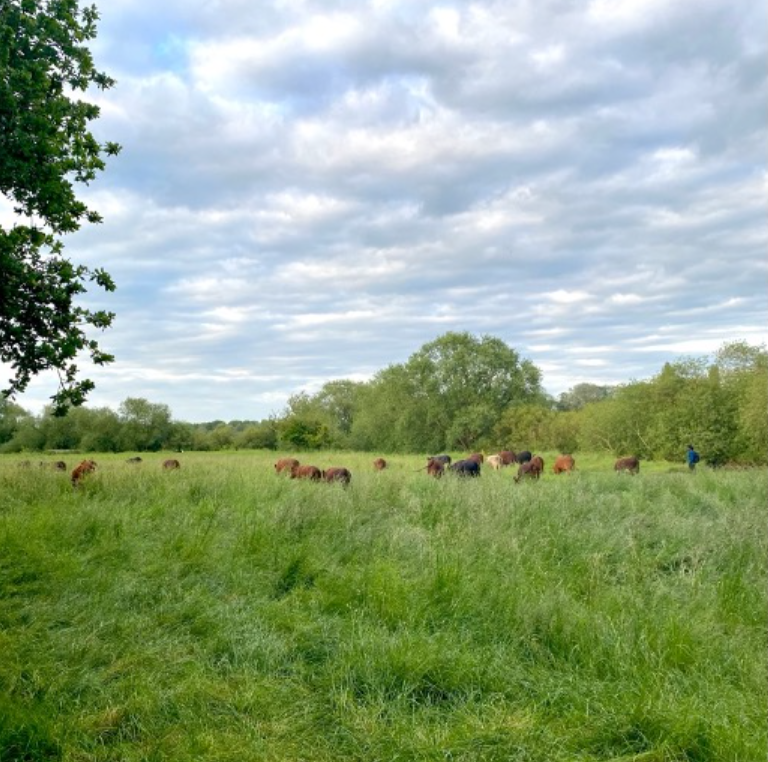
Calm cows in Grantchester, Cambridge. People often complain about losing the sense of wonder they had of the world as a child. I think this is the basic psychology of habituation. Our brains are less responsive to things we repeatedly encounter. So it’s important to explore the city you live in, trying to see it through different perspectives to regain that sense of wonder.
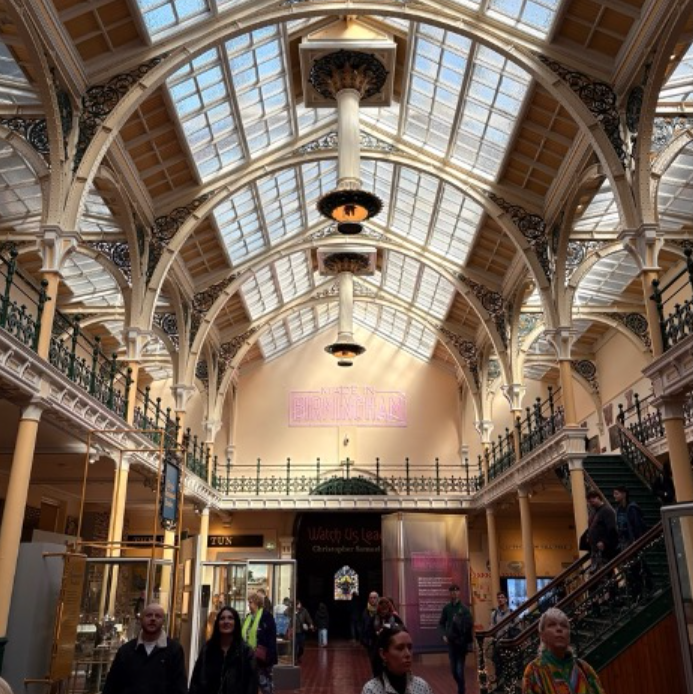
Even I may be unable to romanticise Birmingham…Nonetheless, here is a photograph of the satisfyingly symmetrical Museum. I was visiting the city for a national poetry competition where I met very beautiful people with interesting experiences and wisdom to share. The positive energy was contagious.
From this reflection, I hope to have convinced you to explore your country more, so that you may truly identify with it as a whole.
All images belong to author unless otherwise stated.