You’re a Tourist: Act Like One
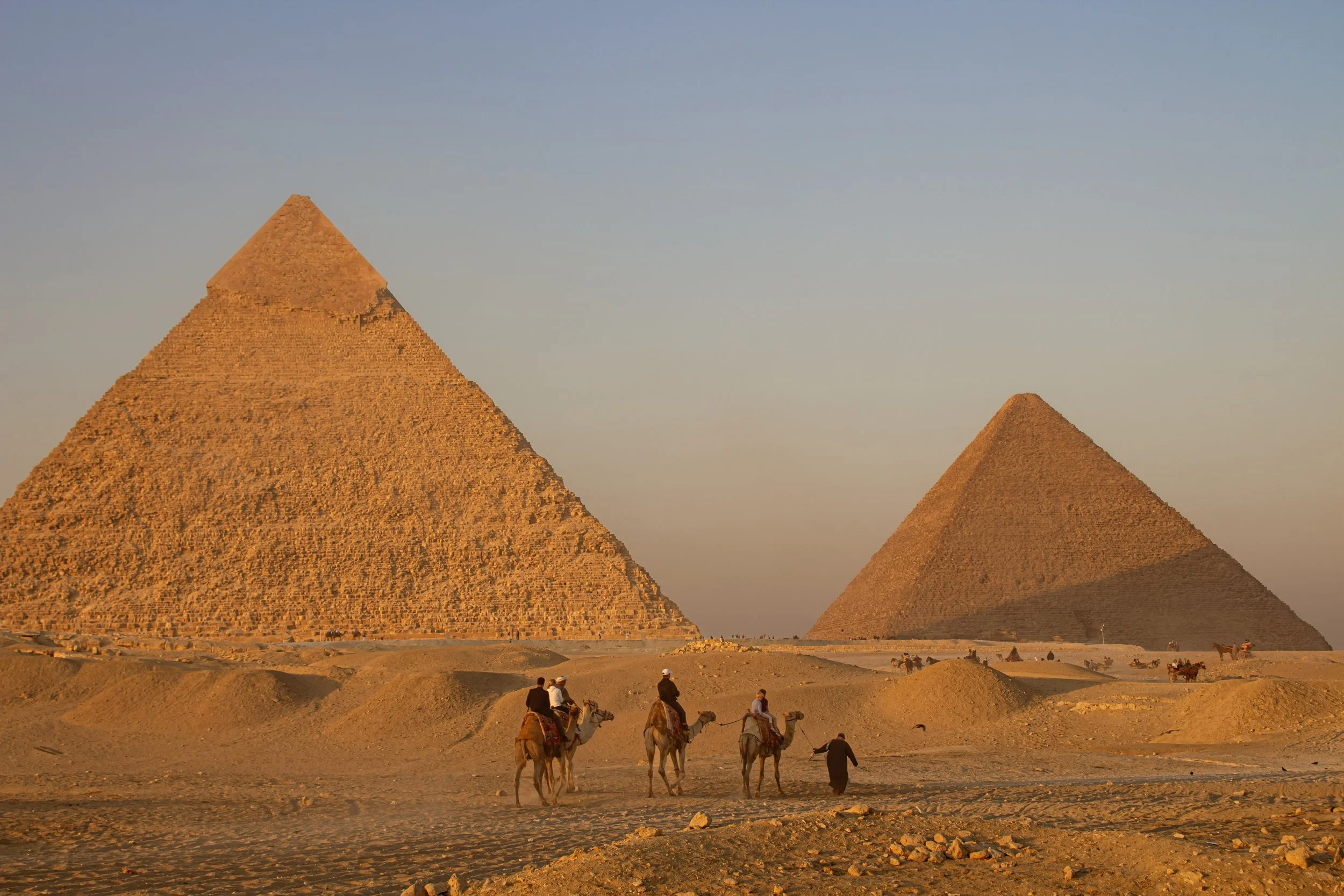
The Pyramids at dusk, with the nearby Cairo metropolis carefully out of shot. Image belongs to author.
People are obsessed with the idea of belonging. I realised this during a solo date to the jazz club, as the low hum of saxophone met with warm London sun. The club owner, perhaps sensing my Egyptian roots, lured me in by advertising the indie-Egyptian band soon to play. In an eclectic orange room, I swayed to the voice of the Egyptian lead singer, her voice drawing melodic spirals across the room, and her hair drawing brown spirals around her face.
I missed my train back to Cambridge, deciding instead, as I often do, to converse with strangers. One of whom was an eccentric, flamboyantly dressed man. Upon discovering my Egyptian heritage, his eyes lit up. He explained that if he visited, he would avoid the pyramids altogether. He hoped to embody the experience of an Egyptian local, engaging with the country in its most real, authentic form. I can assure you that any attempt by this man, with his ginger hair and abrasive British accent, to pass as local would fail immediately.
This desire to appear not what we are, tourists, is not unique to this eccentric man at the jazz club. Some particularly over-zealous American social media users, for instance, run in the early mornings of their Italian excursions in attempt to see each city through the lens of local life. One wonders which Italians they believe they are emulating. TravelTok is also oversaturated with videos advertising “hidden gems” and offering tips on how to identify legitimate Italian gelato. (For the record: real gelato is kept in flat silver tubs, like at Jack’s. Those towering mountains of neon-coloured ice cream are designed to lure naïve, hungry tourists.) Even the word “tourist” seems to carry a kind of profane vulgarity. So much so that we avoid any behaviour reminiscent of it, like taking photos of the Corpus Christi Clock (seriously though, why do tourists love that clock?)
The man at the club went on to ask me: “Where do the Egyptian locals go?” I paused, considering the many ways I could answer. What is the real Egyptian experience anyway? Is it wandering through the leafy streets of Maadi on a slow Friday afternoon? Drinking coffee on a terrace in Zamalek, accompanied by the Nile? Or buying comforting balady bread from a neon-lit oven in Nasr City? Of course, the answer is all and none of these. With a population of over twenty-three million, the local Cairene experience inevitably differs from person to person, neighbourhood to neighbourhood, and social class to social class. In stating this, I have no intention of exaggerating cultural divisions across Egypt’s geographical and social strata. Indeed, we share many core rituals, values, and qualities that shape the quintessential Egyptian experience: chronic lateness, a collective love for Mohamed Mounir - the King of Egyptian music, and stuffed food. Seriously, we stuff everything: cabbage, vine leaves, peppers, potatoes, tomatoes, aubergines. It is a divine culinary experience. I simply feel that nuance is so often lost when people imagine what “local life” abroad looks like. It takes many shapes.
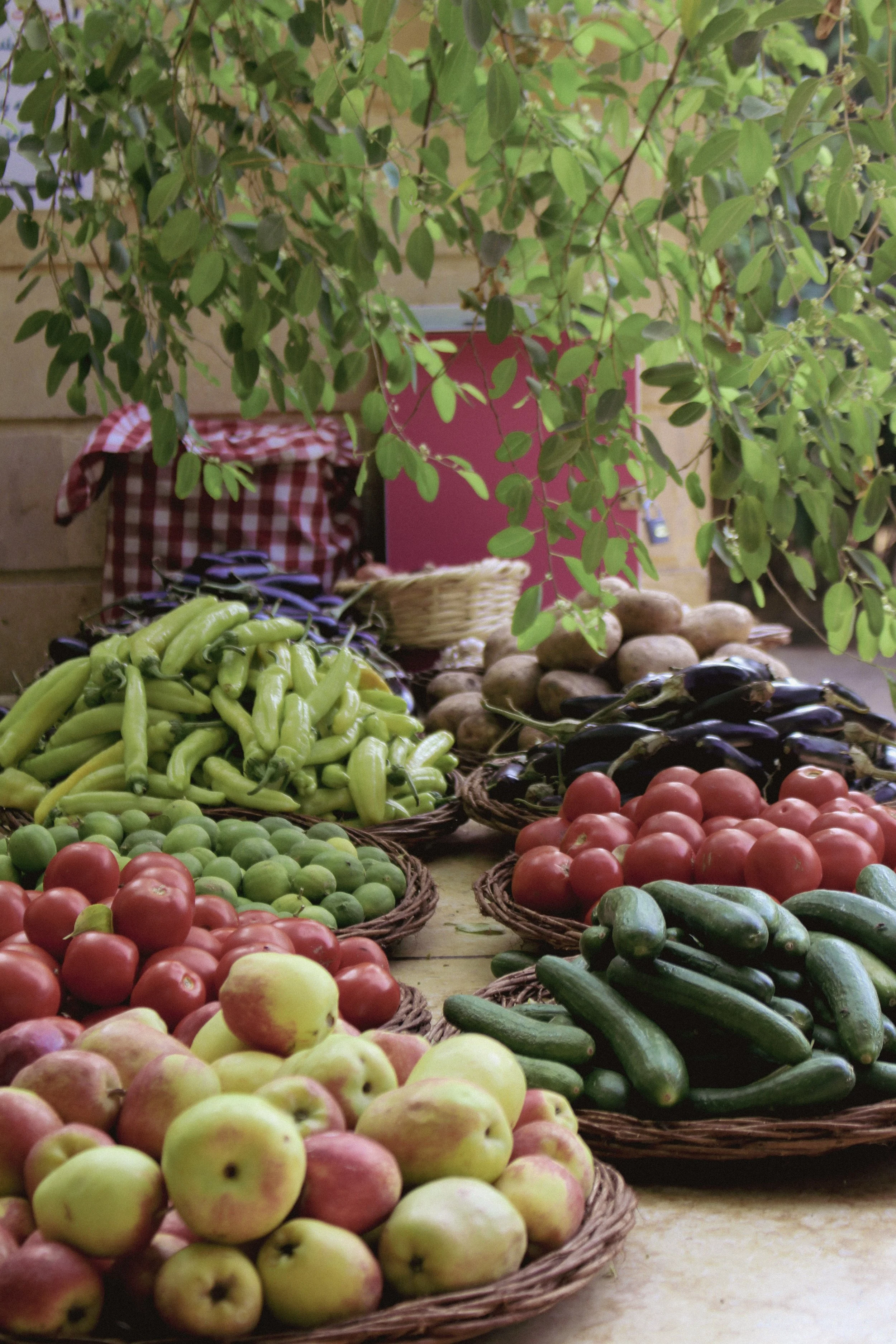
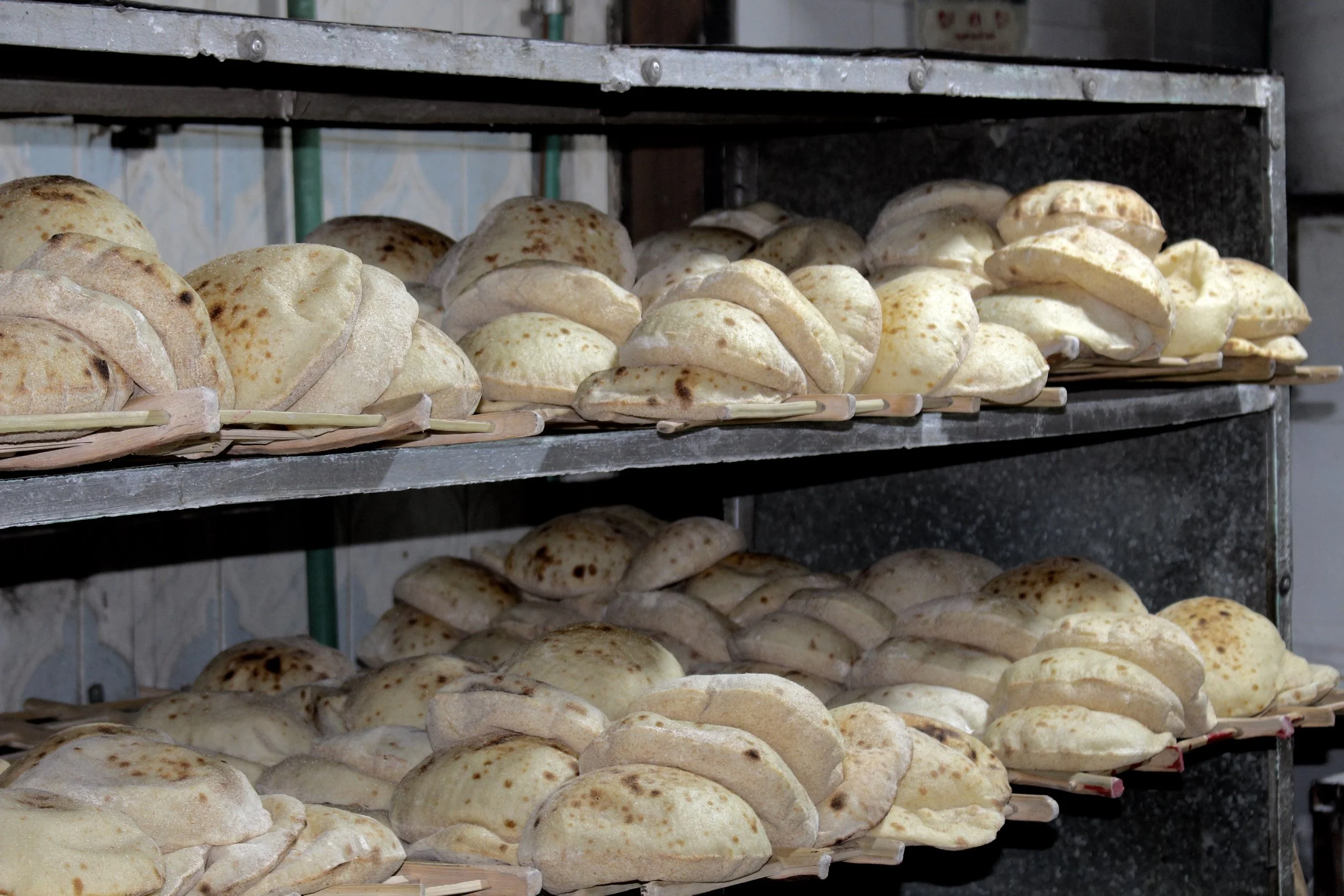
Egyptian still lives. Images belong to author.
It is curious: in the UK, I’m assumed to know what the locals do in Egypt; in Egypt, I’m British enough to be gently mocked for the idea. Cumulatively, I have spent extensive amounts of time in Egypt and have curated excellent itineraries for friends (reach out if you want one!). But, I have lived in the UK, Canada, and the UAE—never Egypt. Perhaps that is why I’m comfortable with not belonging. I never really have. I’m happy flirting between cities, connected to all but belonging to none. I enjoy dabbling in the quaint fairytale fantasy of Cambridge while marvelling at the texture, history, and layers of Cairo’s multi-sensory palette. So, when I do travel, I know how to be a guest. When I was in Milan, I happily spent most of my time around the Duomo, wilfully being scammed by men selling bird feed to appease greedy pigeons. In Venice, I shamelessly ate at places like Restaurant Florida, where the only thing more jarring than the American tourists’ accents was the English translation of the menu in Comic Sans. I accepted what I was: a tourist, and I was happy to play the part. To suggest I could be anything more during a ten-day trip would be an insult to the depth of the local cultures.
This desire to master cultures, to become experts, to know where the locals go, and to avoid tourist traps echoes the same unnatural mastery encouraged by social media and AI; it bypasses the necessary stage of being a beginner and a guest. It offers the illusion of becoming a local through rapid consumption. Knowledge is absorbed too quickly, too cleanly, without the awkwardness of getting things wrong. I would also argue that this impulse is tied to cancel culture. People are afraid to misstep or say the wrong thing about someone else’s culture, so they perform ‘knowing’, afraid to admit uncertainty. What emerges is not understanding, but a kind of defensive expertise: loud, confident, and often hollow. In reality, there is nothing wrong with being a tourist. It is, in fact, a privilege. While you may not have full access to the intimate beauty of a culture, you are also spared the receipt of its burdens. You simply have permission to enjoy a place.
Perhaps the desire to belong everywhere speaks to a deeper existential anxiety: the fact that we live only one life, in one body. Travel offers a glimpse into lives besides the one we were handed at birth. Think Sylvia Plath’s fig-tree analogy: travel allows us to sample the delicious, unattainable fruits we will never fully indulge in. I empathise with, and indeed participate in, this ritual of attempting to belong and connect with unfamiliar places and people. Whilst there is nothing inherently wrong with this inclination, we ought to grow more comfortable with dwelling, passing through, and simply experiencing. Not every place has to be yours.
But most importantly: if you do go to Egypt, please see the pyramids.
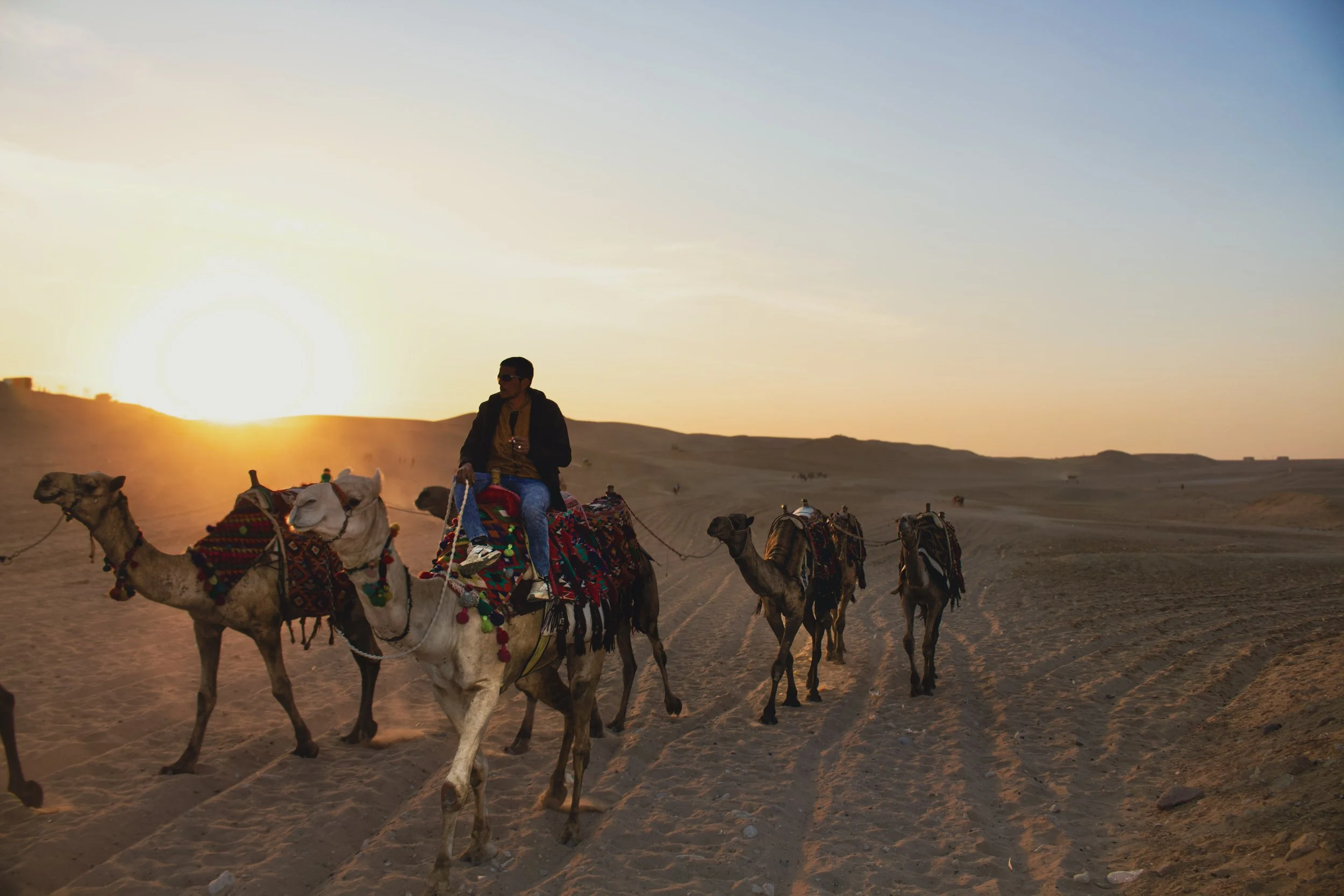
Image belongs to author.