The somewhat Sorolla Guide to Valencia
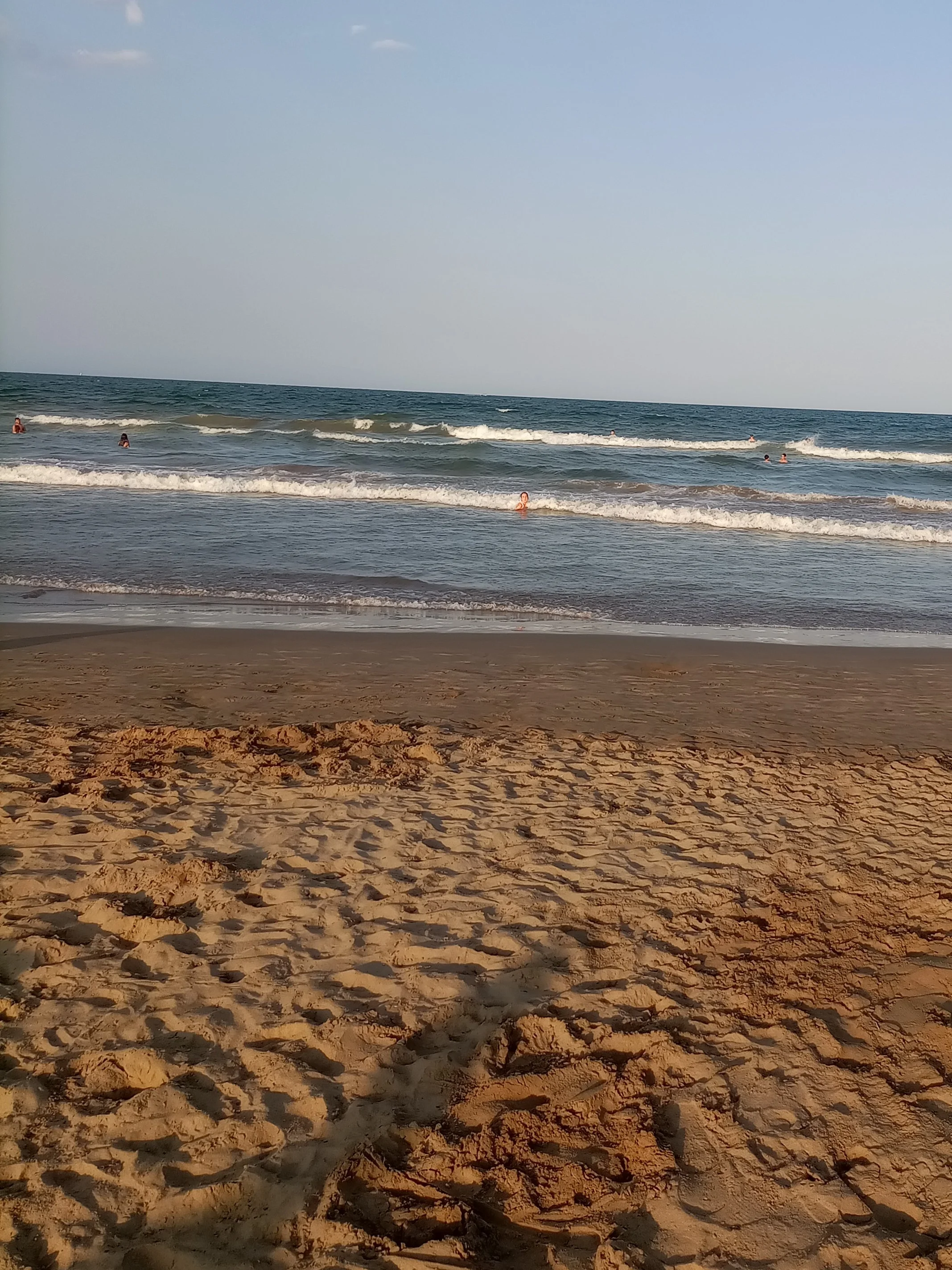
Playa de El Cabanyal in Valencia, Image belongs to author.
A humid, yet breezy, afternoon on the beach one July day on the Playa de El Cabanyal in Valencia was a pensive moment for me. The sun had been relentless all day without any sign of an opportune moment to totter (or somewhat lumber) across the hot sand for a swim. Finally, looking around, allowing the clear, tepid sea water to lap at my feet, I couldn’t help but appreciate how I was rudely interrupting one of Sorolla’s bona fide masterpieces.
The deep blue waves, children playing on the shore, and the low evening sunlight forging glassy reflections on the fine, golden sand has the greatest similitude to A Walk Along the Seashore, 1909 or Playing at the Beach, 1915. Despite the obvious industrial addition over the past century, namely the Port of Valencia, which stands minatory and ominous at the end of the beach, the landscape of the Malvarrosa beach is suspended in sempiternal glory.
I soon realised that the topography of Malvarrosa is not the only token of Sorollismo in the city. Of course, whilst Valencia thankfully has maintained its historic charm, it has evolved and expanded since Sorolla’s epoch, so it is certainly called for to mention some newer additions to the city.
For tourists, it is undoubtedly the Old Town (or ‘Ciutat Vella’ in Valenciano), which exudes a vehement historicity and serves as the focal point of cultural and historical allure. There are numerous landmarks that epitomise the steep roots in trade and agriculture that this south-eastern port city possesses, from ‘El Mercado Central’, a 1920s gastronomic market constructed in the Valencia Art Nouveau style, to ‘La Plaza Redonda’ which is currently host to numerous stalls that sell embroidery and fabrics.
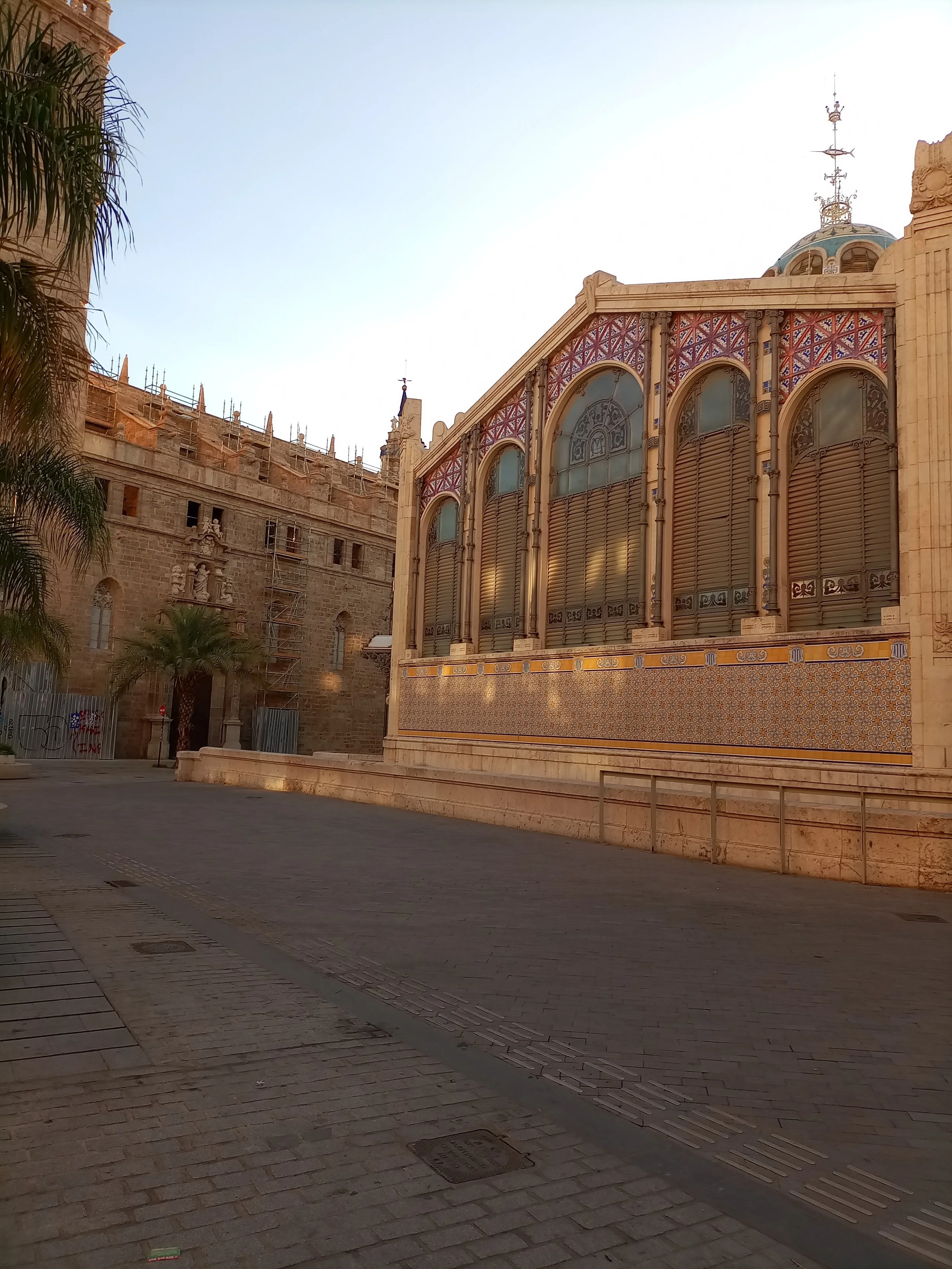
Mercat Central, Image belongs to author
A short walk to the northern part of the Old City takes you to the Torres de Serrano that date back to the 14th century, having had numerous functions over the past 700 years. Originally constructed as defensive walls encircling the city, the structure later served as a prison for the nobility in the 16th century. During the Spanish Civil War, it was repurposed as a secure repository for priceless artworks from Madrid’s Prado Museum. Today, it stands proud as a prominent tourist attraction, offering sweeping panoramic views of the city.
Another tourist attraction situated a short walk away from Los Torres de Serrano is ‘Café de las horas’, a whimsical and charming café-bar created in 1994. Whilst only having been open for 31 years, the site dates back to the reconquest of Jaime I when the site of the café was given to the King in his honour. Another reason to visit is that they serve the best Agua de Valencia in the city. Also known as a boozier version of the classic mimosa, the cocktail consists of gin, vodka, prosecco and orange juice…emphasis on the word boozy here.
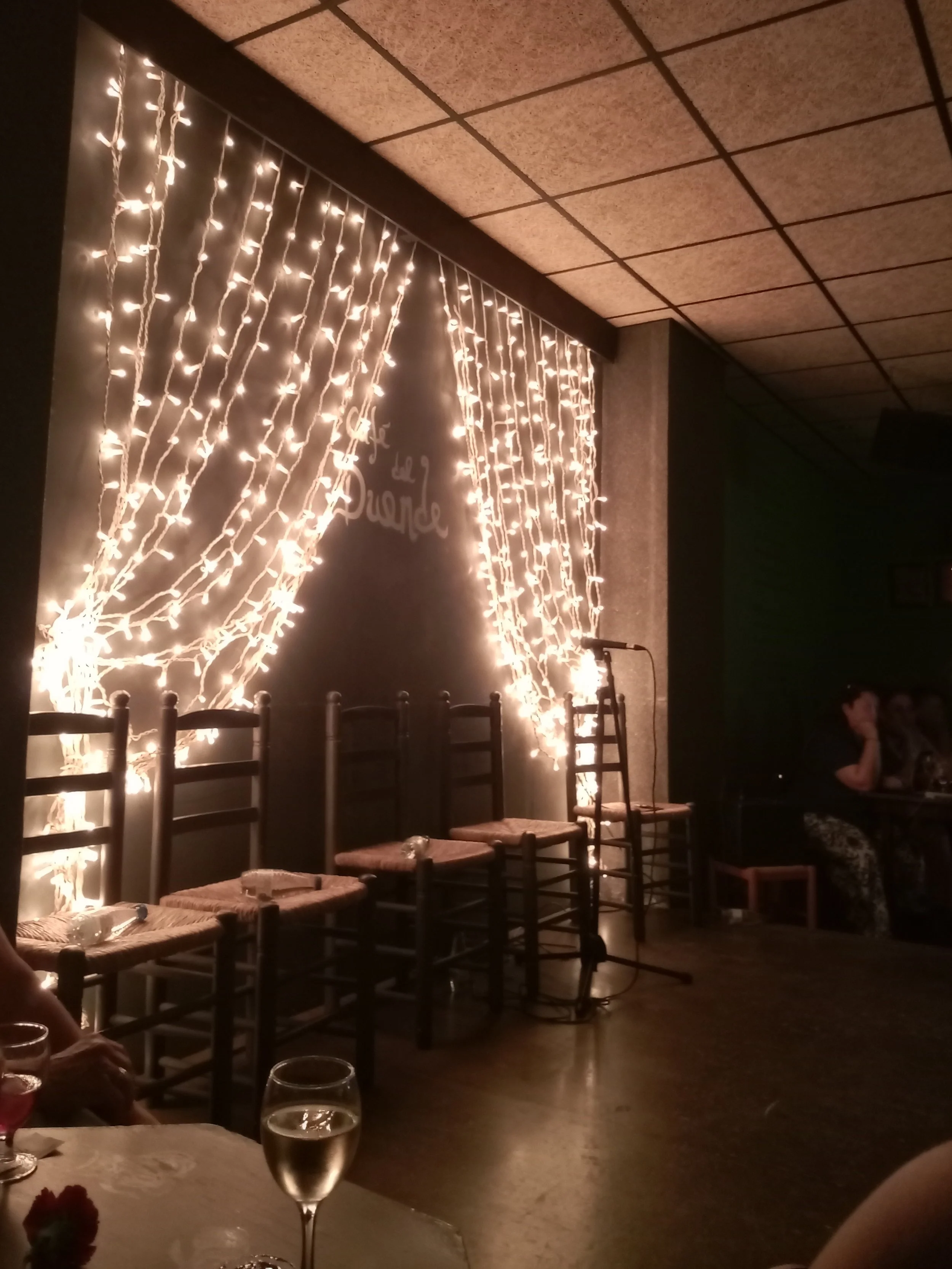
El café del duende, Image belongs to author
In a somewhat similar way to the classic Agua de Valencia, you simply cannot miss the quintessentially Spanish experience of a Flamenco performance. A particularly unforgettable experience one humid Friday evening was a performance in El Café del Duende - a small, yet cosy, intimate space which celebrates the visceral power that the amalgamation of song and dance has. The performance was utterly spellbinding, creating an atmosphere so immersive that it seemed to suspend reality, enclosing movement and song within a space detached from the outside world. It really is no wonder the spectacle of Flamenco was declared an Intangible Cultural Heritage by UNESCO in 2010.
It would be foolish not to mention the City of Arts and Sciences which in recent years is what Valencia has become well-renowned for. From its Oceanogràfic, Hemisfèric 3D cinema, Science Museum and L’Umbracle nightclub, there is so much going on in the Eastern part of the city. However, there is something for everyone and un paseito is the perfect way to come across the green areas and find a shady spot to enjoy a morning coffee or to go for an evening stroll.
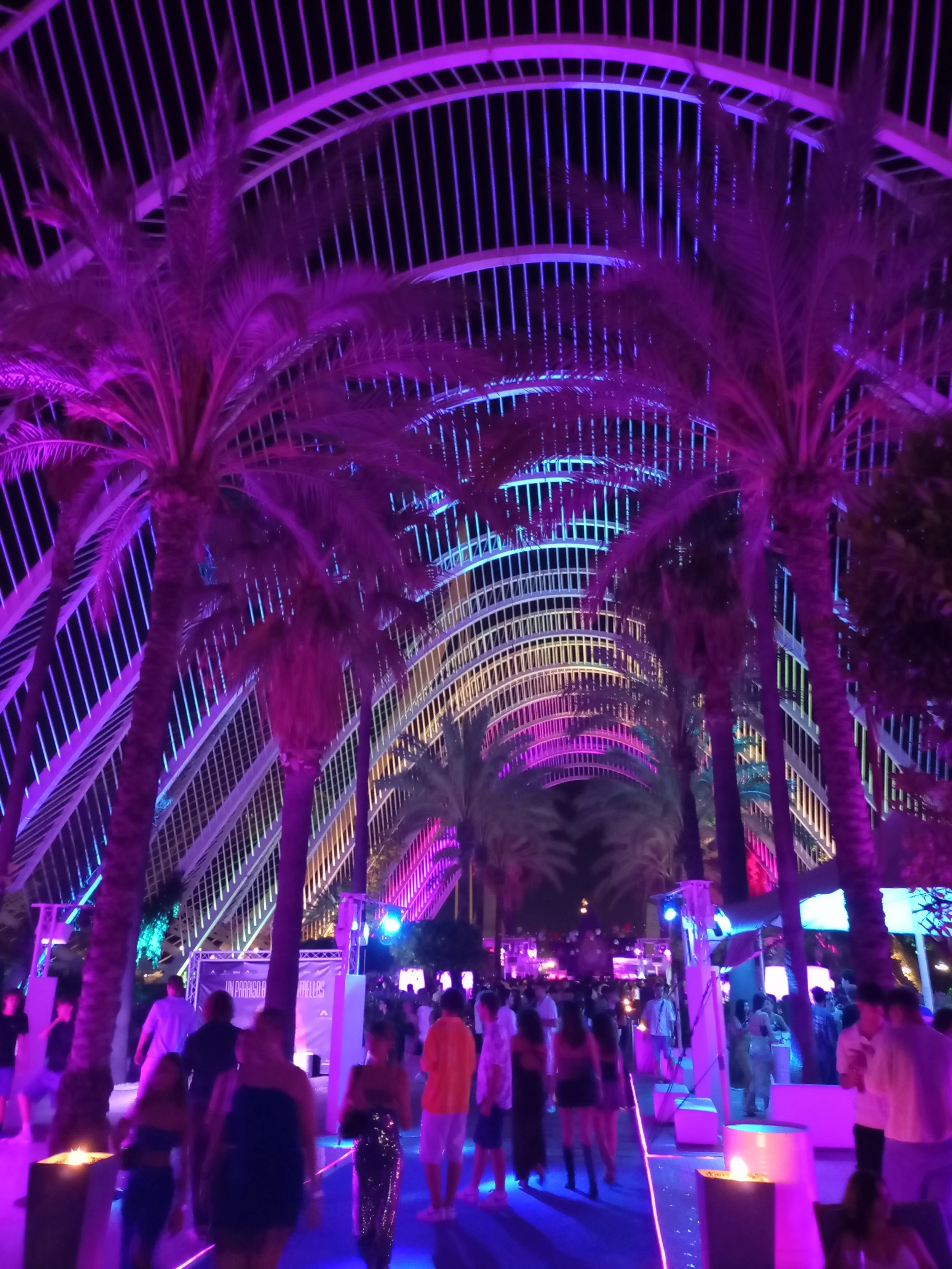
L’Umbracle, Image belongs to author
An ample option is Los Jardines del Turia which are lovingly known as Valencia’s ‘Green Corridor’ by the locals. It came about after the great flood of 1957 which caused the diversion of the river to the south of the city, leaving a vast expanse of area and an abundant design to transform it into a park. It now adopts the role of a somewhat forest tunnel, lined with small bars and terraces, play areas and sports spaces. Channelling its former role as a river bank, there are numerous bridges that cross the former river. A notable bridge to visit is Puente de Flores, a crossing filled with blooms throughout the year with small benches to enjoy the view of the Jardines del Turia below as the sun sets in the distance.

Patatas bravas y camarones al ajillo, Image belongs to author
Whilst this guide has not focused exclusively on the works of Sorolla, it certainly has drawn on the enduring spirit and aesthetic of the beautiful city of Valencia. As one of the first artists to inexorably offer an optimistic portrait of Spain, Sorolla offered a striking departure from the many years of sombre and melancholy portraits. More than a century after his death, his radiant, auspicious portraits continue to resonate, reflecting a vision that remains remarkably familiar and compelling today.