Europe
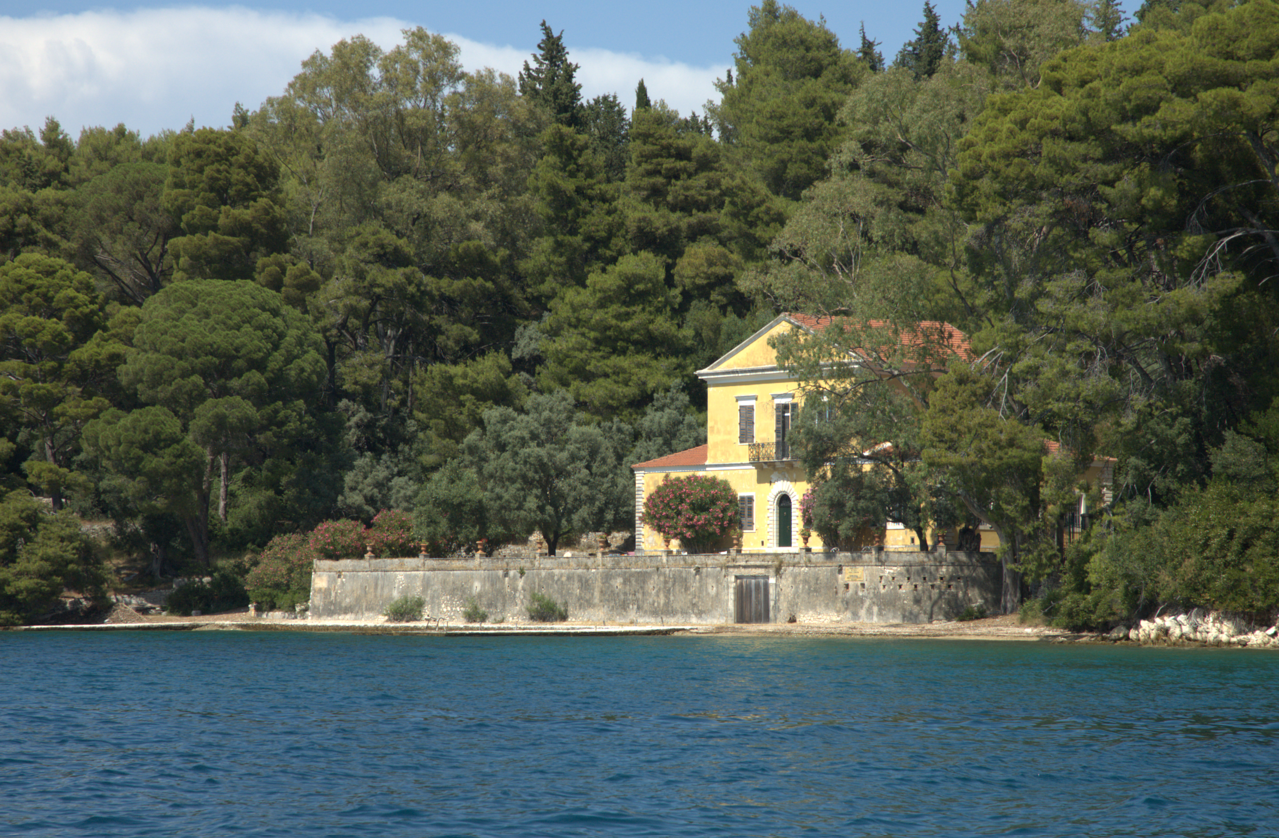
Greece, photographed by Isaac Ohringer


Être à la mode n’est pas à la mode; fad-free French life
What does it mean to be à la mode in Paris? How do the Parisians always appear so effortlessly chic? In this ode to the simple things in life, staff writer Chiara Lewis explores the timeless beauty of the French capital.

Does Michel Houellebecq Still Matter? Part II: The H.P. Lovecraft biography
In this article, Geordie Cheetham looks at Houellebecq’s first published work, a biography of the American author H. P. Lovecraft. How does disgust with the modern world become a fitting object of literary study, when Houellebecq approvingly cites Lovecraft’s disdain for all forms of realism? And what does a corpse surrounded by shopping trolleys Nouvelles Galeries have to do with it?

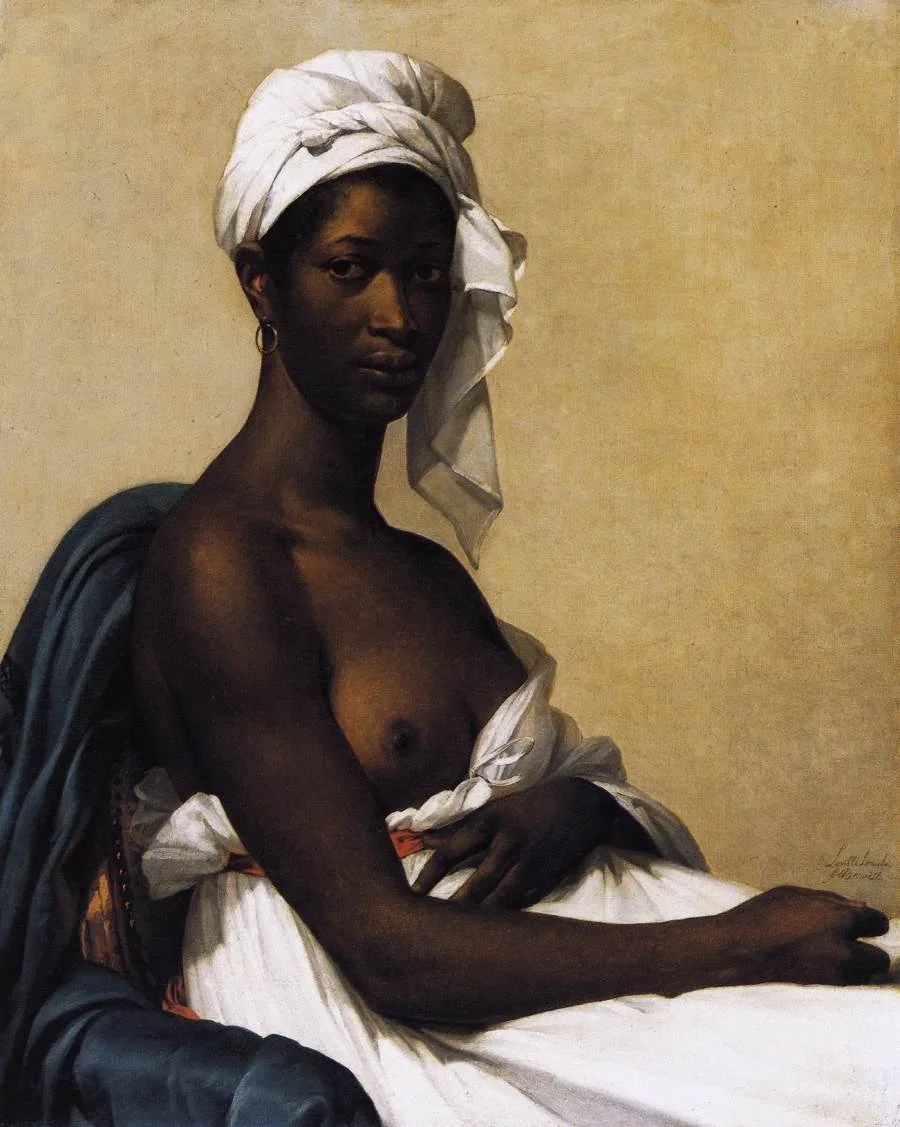
Where Love Lies I: The West’s Affair with the Exotic.
We are told that love is a primal force: innate, ahistorical, transcendental and above society. But how can something be truly innate if it is a concept that exists within the act of telling? CLC Columnist Mila Edensor explores such intriguing questions in this excellent analysis of early modern Portuguese poetry. From the unrequited love of men in the late 1500s, to the ‘passport bro’ of today, Edensor skilfully explores what this obscure poetry can mean for us today.


Does Michel Houellebecq still matter? Part I: Setting the scene
In this intriguing column, CLC Columnist Geordie Cheetham expertly explores the man behind some of France’s most popular tales of anomie and despair: Michel Houellebecq.

Escalader des murs de peinture à l’exposition Nicolas de Staël
Accompanied by an English translation, Nadia Sorabji Stewart offers an intriguing interview with co-curator of the Nicolas de Staël exhibition at the Paris Musée d’art moderne. Providing an introduction to the world of de Staël and insights into curatorial practices, this probing interview is not to be missed.

Don’t Dismiss the Kitsch: The Evolution of Turbofolk
In this probing article, CLC staff writer Faith Martin delivers an insightful commentary on the hidden background of Yugoslav Turbofolk. She explores the historical, political and societal facets of this genre and, in doing so, uncovers the secrets of this unique musical movement.

Love in abjection – Titane, Catherine Opie and the family
Fascinated by the film’s radical approach, Imogen Whalley reviews Titane by delving into Ducournau’s aesthetic of violence. She explores inherent themes of family narrative, where language of sexuality and depiction of pregnancy can be simultaneously destructive and revitalising.
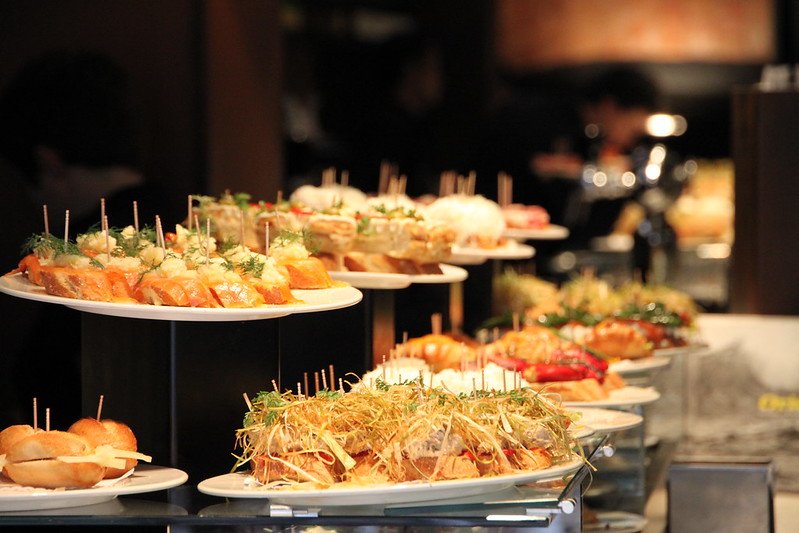
Bas(qu)ing in difference: the Beauty of the Basque identity II: Pin(tx)ch me, a life changing food experience
In this entertaining excursion of an article, CLC columnist Freya John takes us on a culinary tour of Bilbao as she recounts her love affair with the ‘incredible, edible, small delights: pintxos.’

“Rok en Rol Jugoslavija !” - Yugorock: Yugonostalgia meets social commentary at the end of an era
In this whistle stop tour of Yugorock, European Staff Writer Kirsty Turnbull delivers an enthusiastic and engaging introduction to the Yugoslav rock scene of the 1980s. From politics to playlists, this article covers it all.


Winter's Dual Legacy: Sankt Nikolaus and the Shadow of Krampus
In an intriguing analysis, William Lan explores the folklore surrounding the beloved Christmastime figure of Sankt Nikolaus and his shadowy counterpart Krampus.
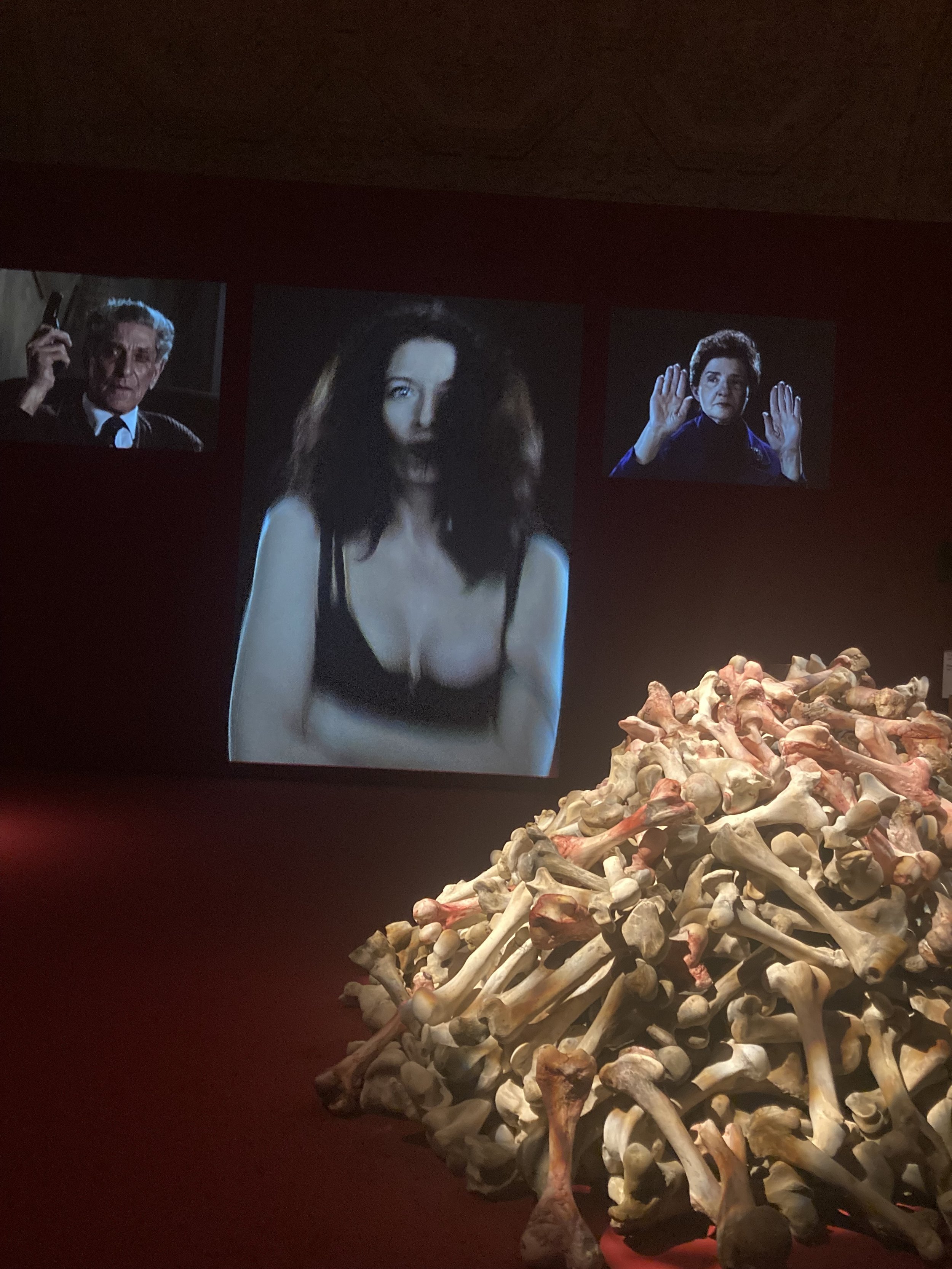
Would You Squeeze Between a Naked Couple?
Lucy McCulloch explores the distinctive style of Marina Abramović and questions whether the contemporary sanitization of her art is a sign of something more troubling

RSL Remembers: Paula Rego
In this illustrative article, columnist Soraya Shakibi reflects on her evening spent at the Royal Society of Literature and the Royal Drawing School, exploring the life of virtuoso Portuguese artist Paula Rego. From history, to feminism, to fairytales, Shakibi takes us on an engaging tour of Portuguese culture as portrayed by Rego.

Please Pardon our French
In this acerbic commentary, Staff Writer Chiara Lewis critiques British attitudes towards language learning based on her observations from her time in Paris.


