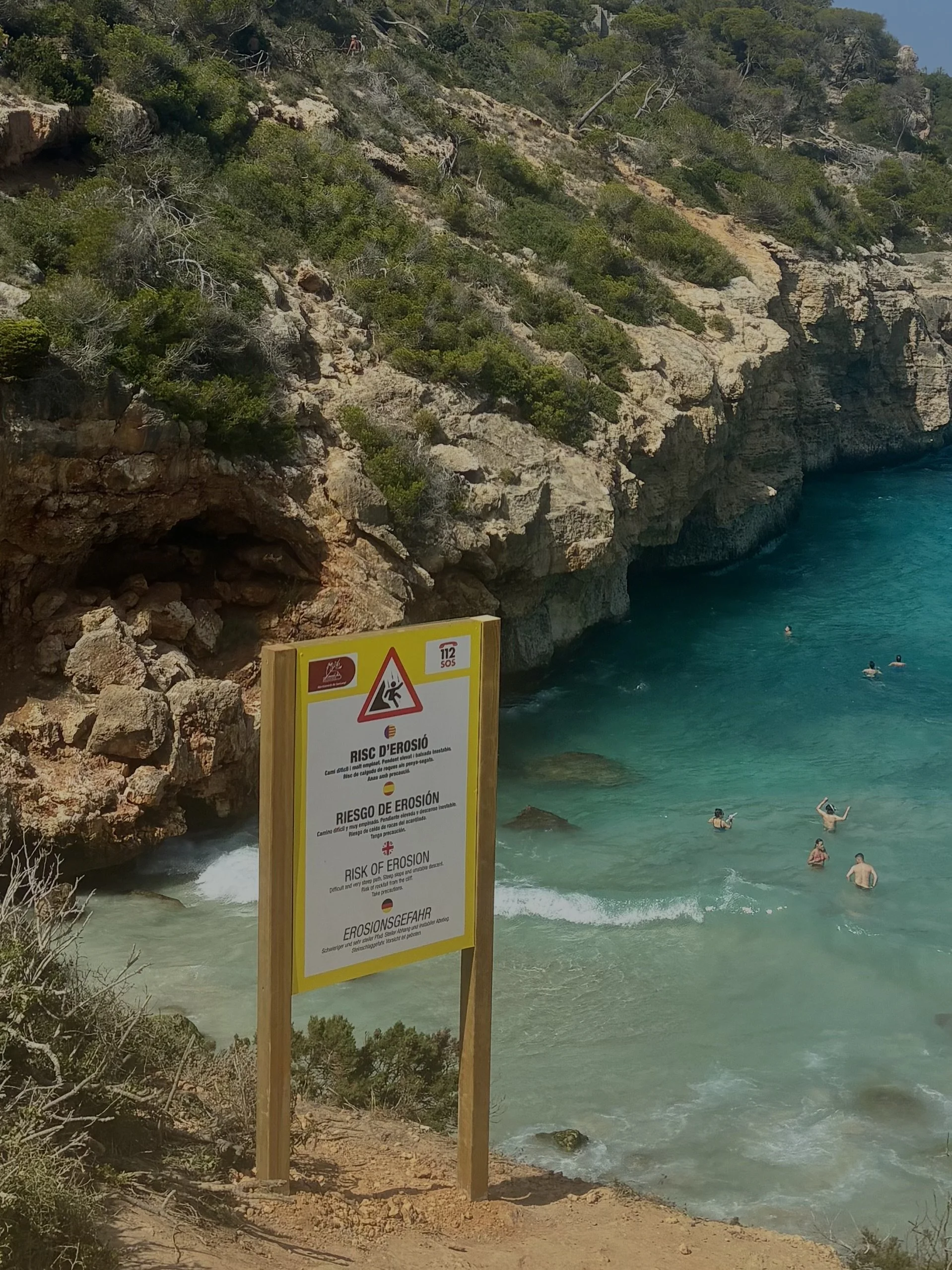
A multilingual sign in Mallorca - all images are the author’s own unless otherwise stated
Travelling through the island of Mallorca by bus exposed me to the effortless existence of multiple languages used by both tourists and local residents. I quickly noticed that regulations for bus use were displayed in three languages: Spanish, English, and mallorquí, a dialect of Catalan. Mallorquí was placed top and centre of the noticeboard, reflecting both its cultural importance and its widespread use, with over 70% of the Balearic population able to speak it [1].
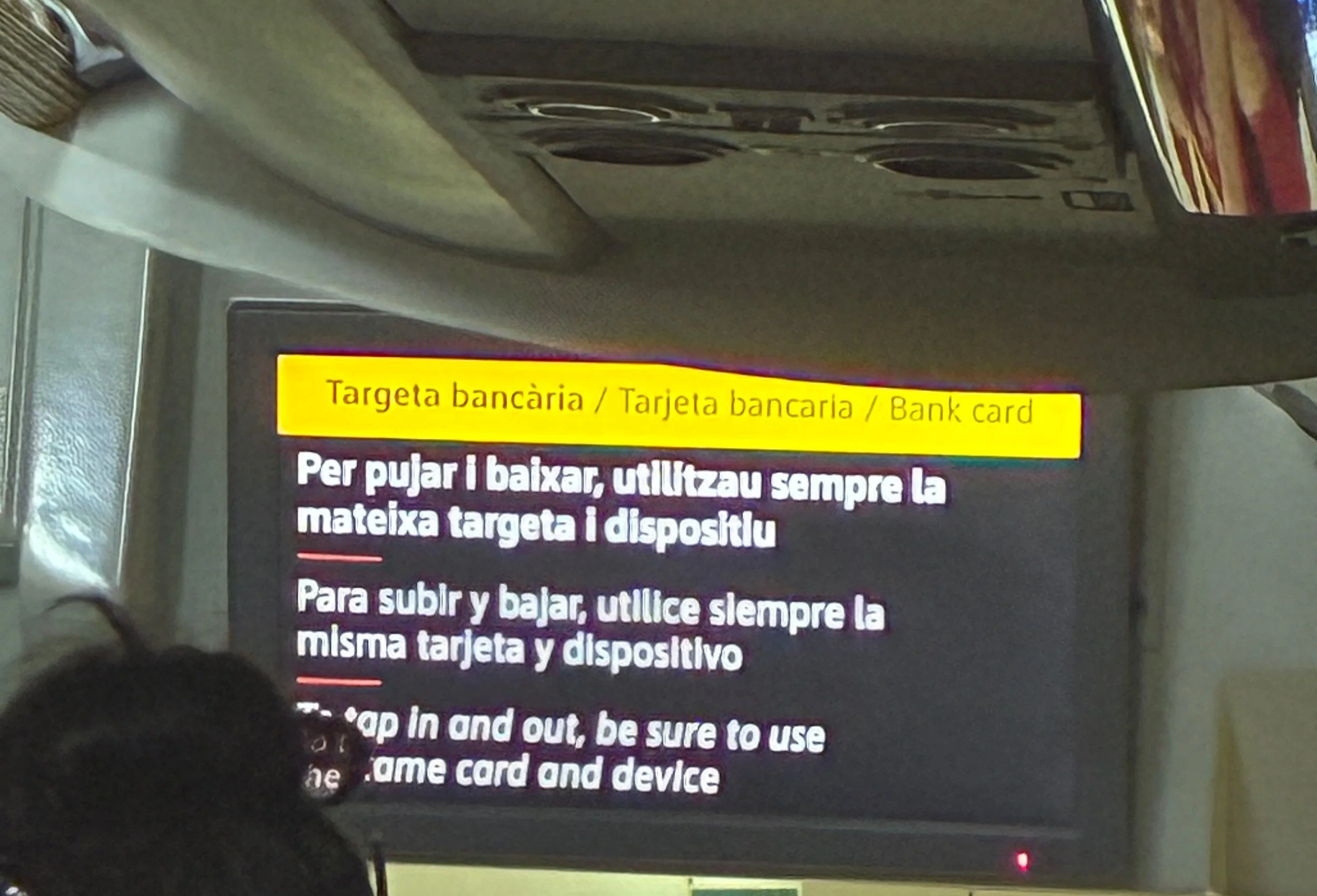
A Mallorcan bus information screen with regulations in mallorquí, Spanish and English
However, whilst passing through the agricultural town of Campos, I was struck by a contrasting landscape. Many advertisements were monolingual, written exclusively in German. Doctors' surgeries, banks, estate agents, and numerous other businesses appeared to cater almost entirely to German speakers, with little or no accommodation for local mallorquí speakers. Unlike the multilingual signage used on public transport and in official spaces, these commercial advertisements presented German as the sole language of communication.
As a languages student, I believe linguistic diversity enriches communities, fosters cultural exchange, and reflects the reality of modern societies shaped by migration and tourism. Yet the prevalence of monolingual advertising raises an important question: can such practices weaken efforts to protect and promote a regional language that is becoming more vulnerable due to mass tourism?
German tourists contribute millions annually to Mallorca's economy [2], making Germany the island's largest and most valuable foreign tourism market. Given this immense financial contribution, I understand the practicalities as to why businesses seek to attract German customers. However, should economic value translate into language priority? Should the spending power of one group allow for the exclusion of a language historically rooted in the island?
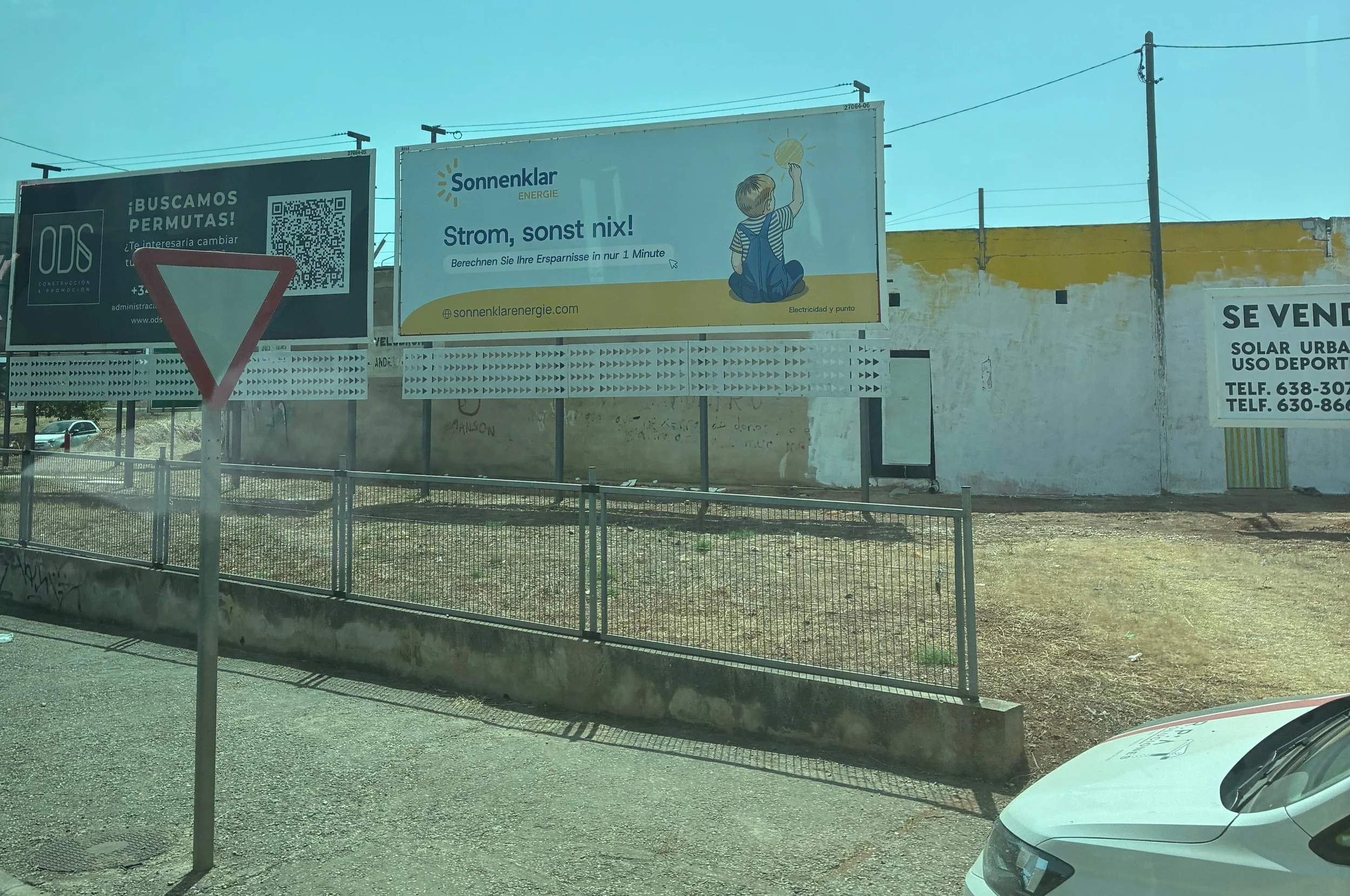
An example of a monolingual German advert in Mallorca
These questions have become increasingly significant amid debates surrounding the #NormalitzaMallorca initiative, which encourages the everyday use and visibility of Catalan in public life including on road signs and business fronts. Supporters view the campaign as an essential measure to preserve the island's linguistic heritage, while critics—including the far-right party Vox [3]— view it as an act of aggression towards Spain.
Perhaps the solution is not to reduce linguistic diversity but to expand it. If public transport and government services can successfully communicate in multiple languages, why should commercial advertising not follow the same model? Would businesses really lose customers by incorporating mallorquí alongside German, Spanish, or English?
Furthermore, the issue raises broader questions about what language visibility actually represents in an environment like Mallorca. Language is not just a practical tool for communication, but also an insight into identity, history and belonging. When one language begins to dominate commercial spaces, it can subtly change how residents and visitors perceive the island itself, for example what feels “local,” and what feels “foreign”.
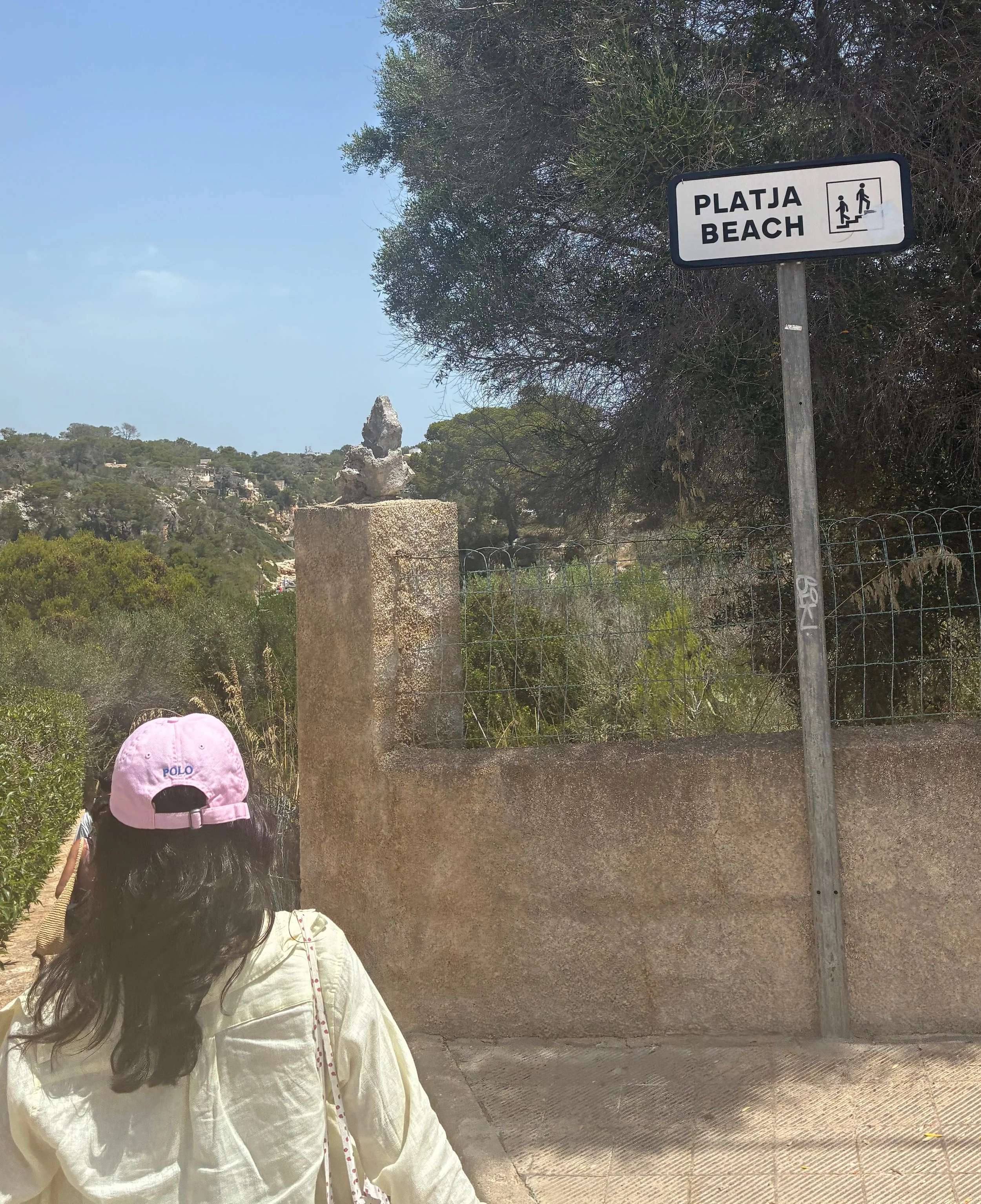
A bilingual beach sign
At the same time, it is important to recognise that tourism-driven economies operate within global pressures that require them to appeal internationally. Businesses inevitably respond to demand, and German visitors form a significant and economically powerful group within Mallorca. This makes the situation less about simple exclusion and more about competing incentives from which emerges a conflict between economic growth and cultural preservation.
Ultimately, a challenge lies in finding a balance where economic reality does not erase linguistic and cultural heritage. Initiatives like #NormalitzaMallorca highlight that this is not just a cultural debate, but also a political one, where decisions about language can be linked to national identity and regional autonomy. Rather than viewing multilingualism and local language promotion as opposing forces, Mallorca’s situation highlights the need for them to coexist.
[1] According to the results of the Study of the Situation of the Catalan Language Census, 71.5 percent of the Balearic population speak Catalan. https://www.majorcadailybulletin.com/news/local/2012/12/20/33152/the-balearics-speak-cata lan.html
[2] L’Institut d'Estadística de les Illes Balears reported that for the year 2025, daily expenditure of tourists from Germany per capita reached €207,24 with 4.9 million visitors per year.
[3] The far-right party has demanded an explanation from Language Policy Minister Bel Busquets following the council's adoption of the '#NormalitzaMallorca' initiative. The party's position was outlined by Antonio Gaspar Gili Millán in a video shared on its official account.